Cupping Therapy
Hands-on support for the way you move.
An optional approach to discuss when muscle discomfort or tightness gets in the way of daily activities.
What is cupping therapy?
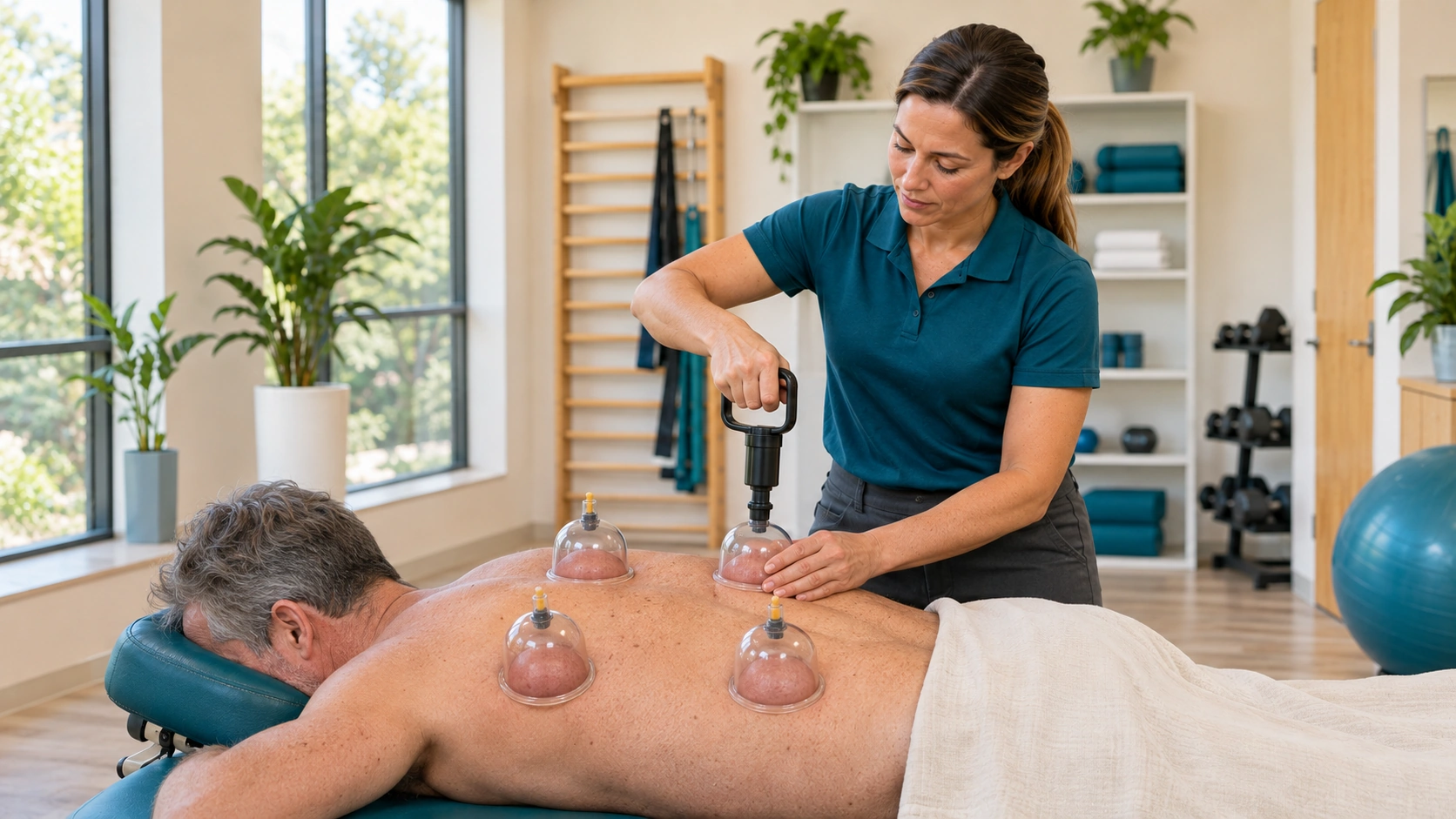
Cupping therapy uses cups to create suction on the skin over a selected treatment area. Dry cupping does not involve cutting the skin or drawing blood. It may be discussed as an optional addition to rehabilitation when muscle discomfort or a feeling of tightness affects tasks such as reaching, bending, or moving through your workday.
At Stride, Dr. Arva Gadly considers your symptoms, health history, skin sensitivity, and preferences before recommending an approach. If cupping is appropriate, it is connected to a broader plan that may include exercise, movement practice, and education. Suction and positioning are adjusted to your comfort, and you can discuss other options at any time.
What cupping therapy may help with?
Select a topic to explore.
Long stretches at a computer or repeated work tasks can leave your upper back feeling uncomfortable. Dr. Arva Gadly assesses your symptoms and activity demands before discussing cupping, exercise, or other appropriate options.
Reaching for a coat, putting dishes away, or carrying a bag may highlight muscle-related discomfort. Cupping may be considered for selected soft-tissue concerns alongside a plan for the movements that matter to you.
Loading the dishwasher, putting on shoes, or picking up a basket may feel less comfortable when your back feels tight. An assessment helps explore your symptoms before deciding whether cupping has a useful role in your care.
An active day may leave you hesitant to take your usual walk or return to exercise. Share how the soreness behaves and how long it lasts so Dr. Arva Gadly can discuss appropriate options rather than assuming cupping is the answer.
Turning to look behind you or reaching across your body can bring attention to areas that feel restricted. Your movement and symptoms are assessed first, with treatment choices connected to your daily tasks.
When selected soft-tissue symptoms interfere with your rehabilitation, cupping may be one option to discuss. Any change in comfort is reviewed alongside appropriate movement practice and your response to care.
Why cupping may be considered
Comfort with a purpose. Movement as the goal.
An optional technique, chosen around your needs and reviewed as care progresses.
Support short-term comfort
Some people experience short-term pain relief after cupping. Research evidence remains limited, so your response and the purpose of treatment matter.
Connect comfort with movement
If cupping is helpful for your symptoms, it can be paired with exercises and movement practice connected to reaching, bending, and other daily tasks.
Keep care responsive to you
Dr. Arva Gadly considers your skin, comfort, and preferences and reviews whether cupping adds value. The approach can be adjusted or replaced with another option.
Services that may complement your plan.
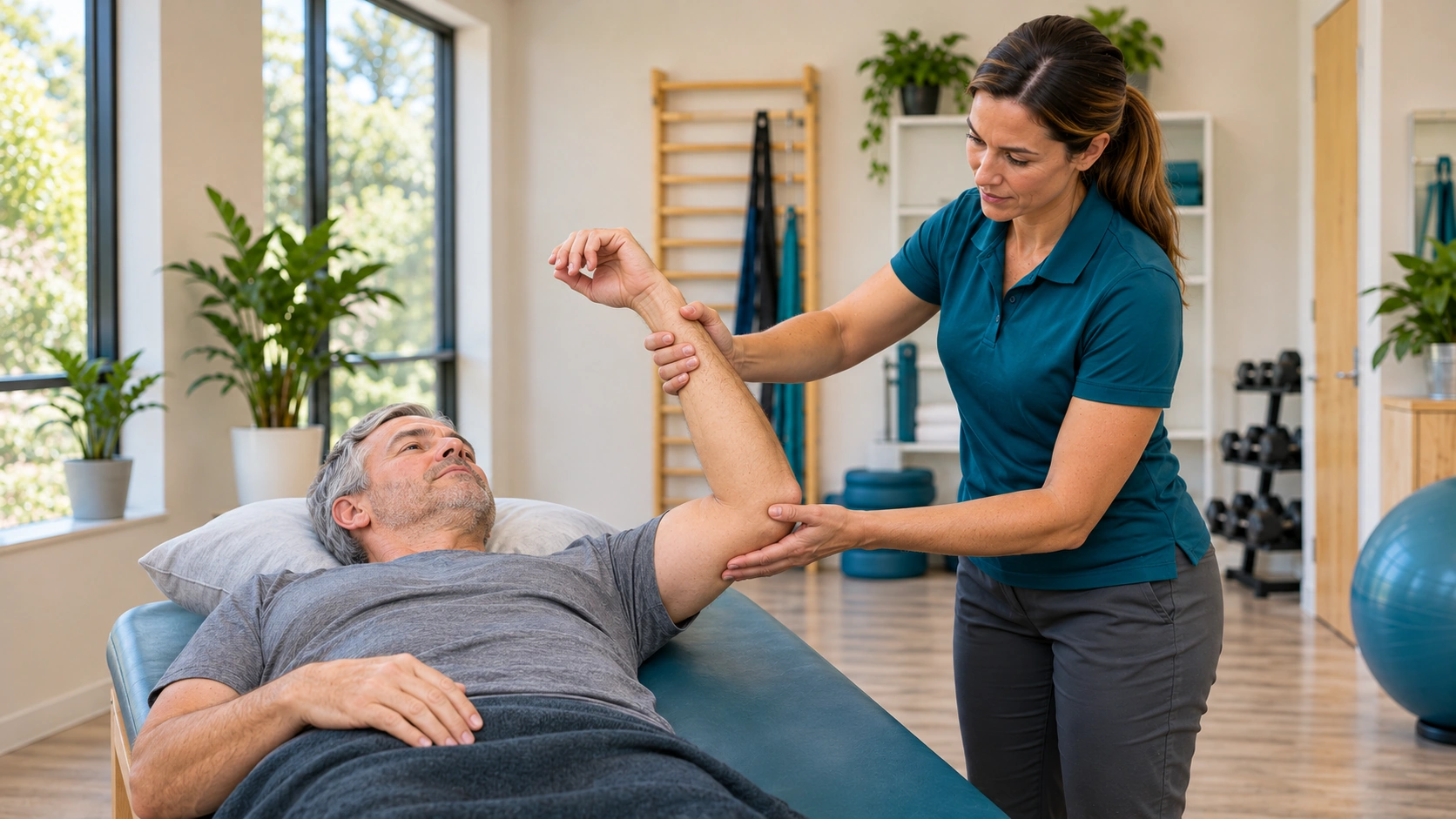
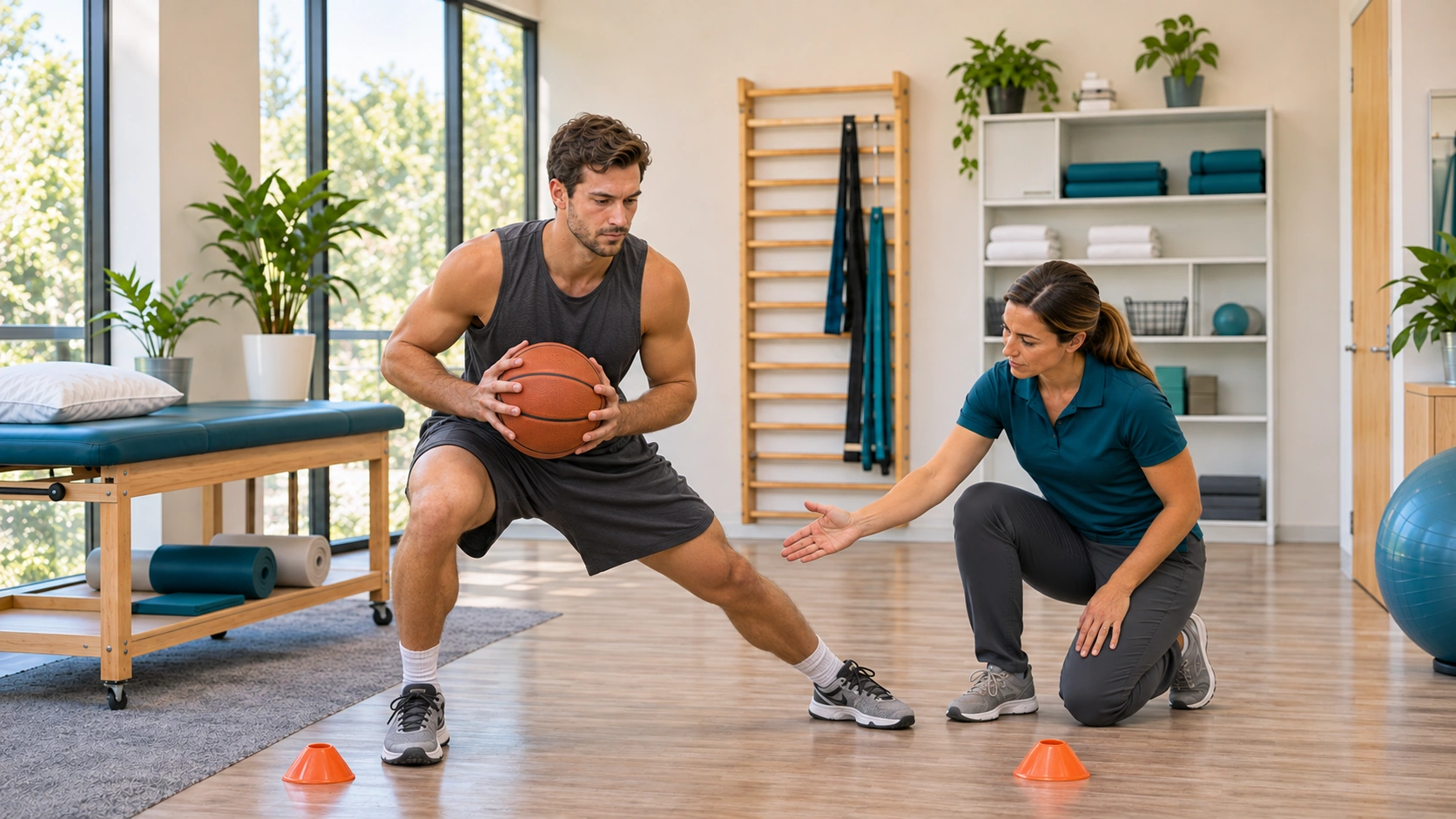
Additional services are recommended only when appropriate for your needs.
A few questions before you start.
Temporary circular marks or discoloration can appear where cups are placed, and the appearance varies from person to person. Discuss expected skin changes and aftercare with Dr. Arva Gadly before treatment. Share any sensitive skin, easy bruising, skin conditions, or blood-thinning medication so suitability can be considered. Marks are not a measure of how effective treatment has been.
You may notice a pulling, pressure, or stretching sensation under the cup. Stronger suction is not automatically better. Tell Dr. Arva Gadly if you feel pain, burning, or discomfort so the technique can be adjusted or stopped. Your comfort, skin response, and health history guide whether cupping is appropriate; other treatment options are available.
Cupping is considered an optional addition to a broader plan. Some research suggests short-term pain relief, but evidence is limited and results vary. If used, it should have a clear purpose and be connected to appropriate exercise, education, and daily movement goals. Dr. Arva Gadly reviews your response to decide whether to continue, adjust, or use another approach.