
Movement Analysis
A closer look at the movements that matter.
Explore how you bend, reach, lift, squat, and move through everyday tasks.
What is movement analysis?
Movement analysis looks at how you perform tasks that relate to your symptoms and goals. Bending to pick something up, reaching overhead, rising from a chair, or working through an exercise can reveal useful information about your current abilities and challenges. Observation is considered alongside your history, strength, mobility, balance, and activity demands.
At Stride, Dr. Arva Gadly selects tasks that reflect what matters to you and discusses how they feel. Findings may guide further assessment, exercise, movement practice, or changes to the task itself. Recommendations focus on practical options for your needs rather than judging every movement against a single perfect pattern.
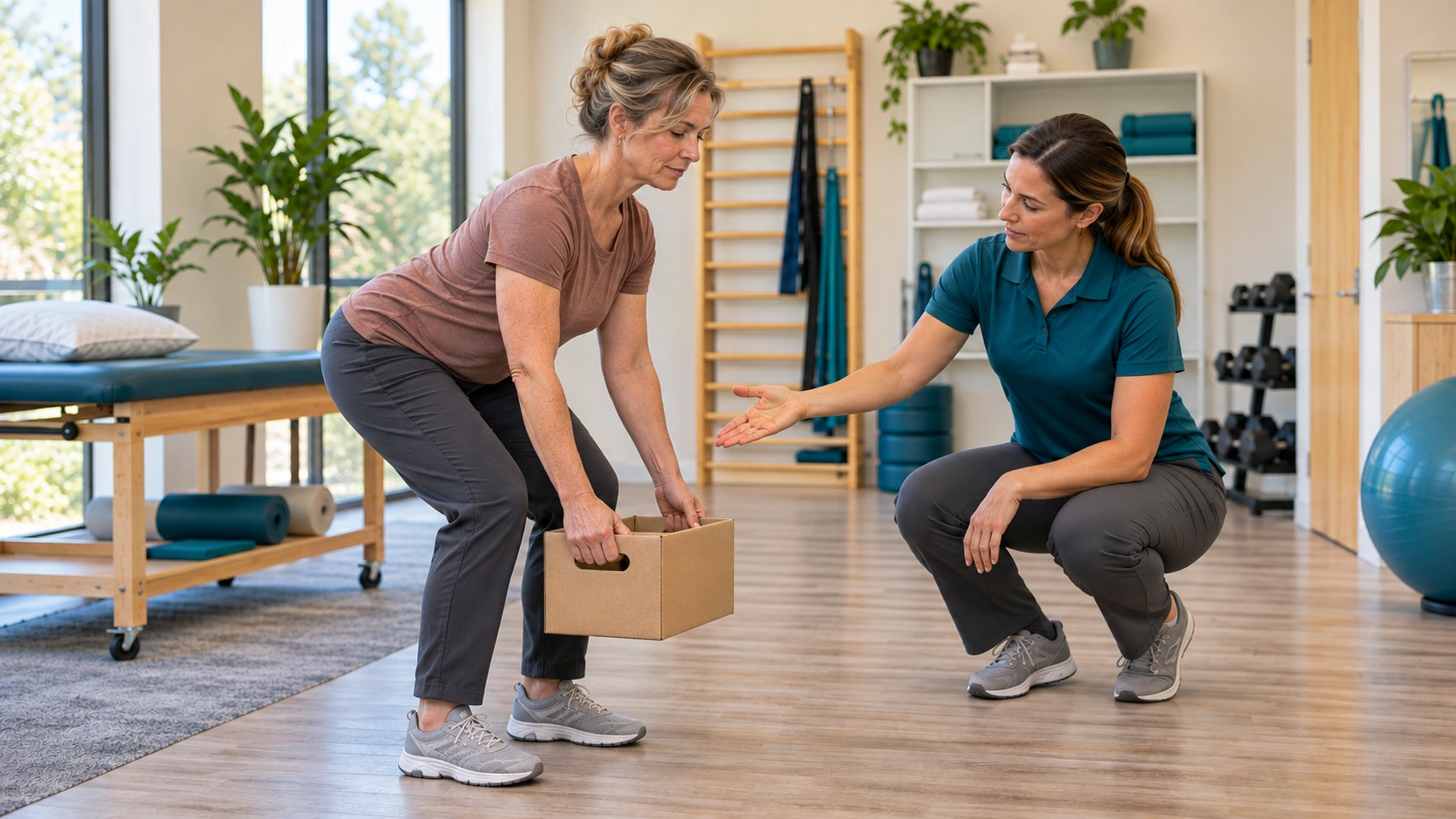
What movement analysis can explore.
Select a topic to explore.
Picking up laundry, a delivery, or a work item can bring on familiar symptoms. Observing the task helps connect your concerns with relevant strength, mobility, and activity demands.
Reaching up, across, or behind you can challenge different parts of movement. Dr. Arva Gadly considers what you notice and assesses relevant abilities before discussing useful next steps.
Standing from a sofa, a dining chair, or a car seat may feel difficult or uncertain. Suitable task practice and assessment help identify what to explore within your plan.
Your exercise form is considered with your symptoms, goals, and current capacity. A movement that looks different is not automatically a problem or the cause of pain.
Bending, carrying, or reaching throughout a shift may add up. Describe the frequency and demands of the task so the assessment reflects your real routine.
You may brace, use support, or change a task to make it manageable. These strategies are useful information when discussing comfort, options, and the activities you want to do more easily.
Why movement analysis is useful
See the task. Understand the context.
Meaningful movement, a wider assessment, and options that fit your life.
Make the assessment relevant
Looking at tasks you actually do helps bring daily challenges into the evaluation and connects findings with your priorities.
Guide practical options
Recommendations may involve exercise, task changes, or movement practice, with a clear purpose and room to review your response.
Work with your individual needs
Dr. Arva Gadly considers your abilities, symptoms, and task demands rather than relying on appearance or a movement score alone.
Services that may complement your plan.
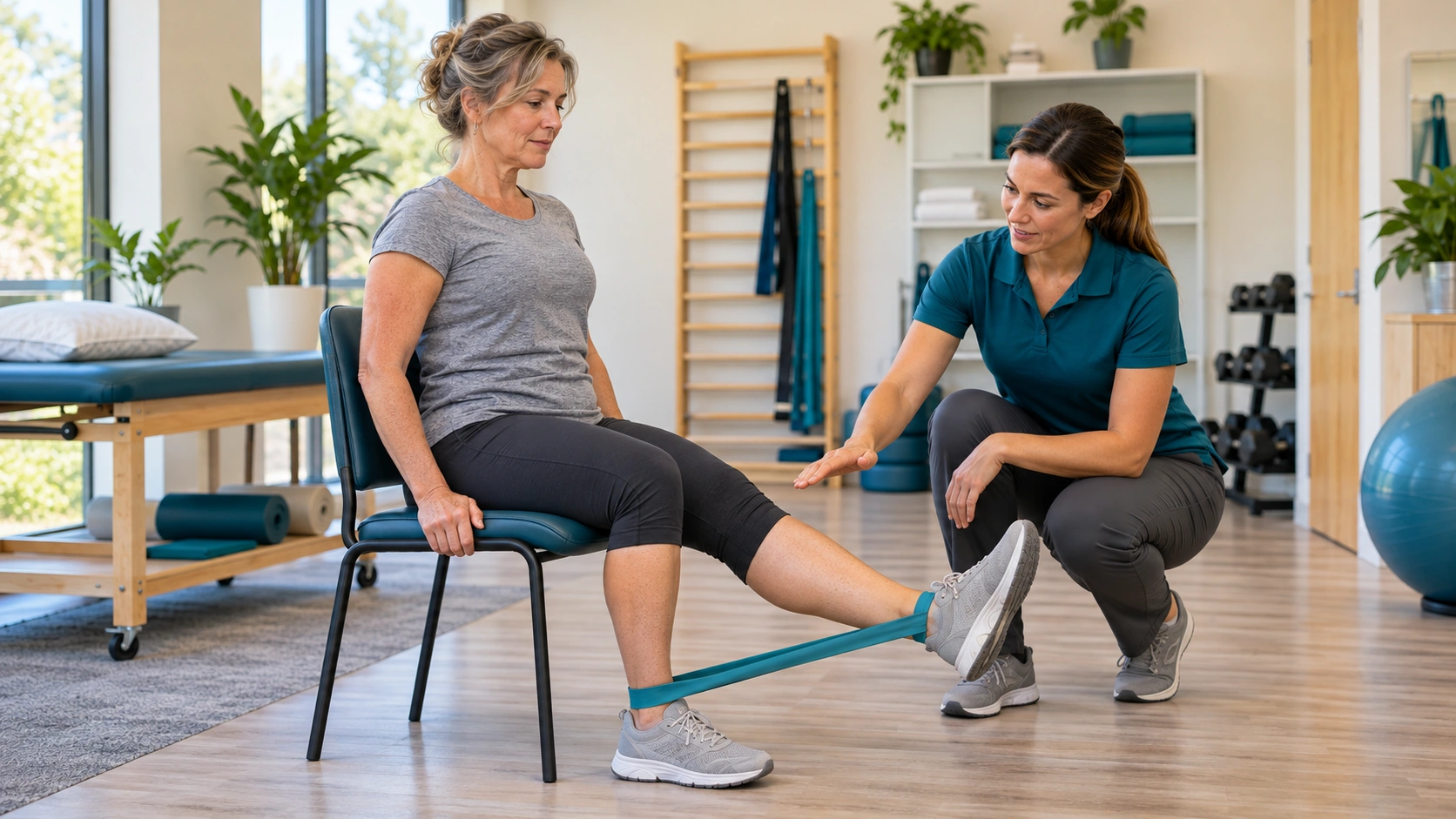
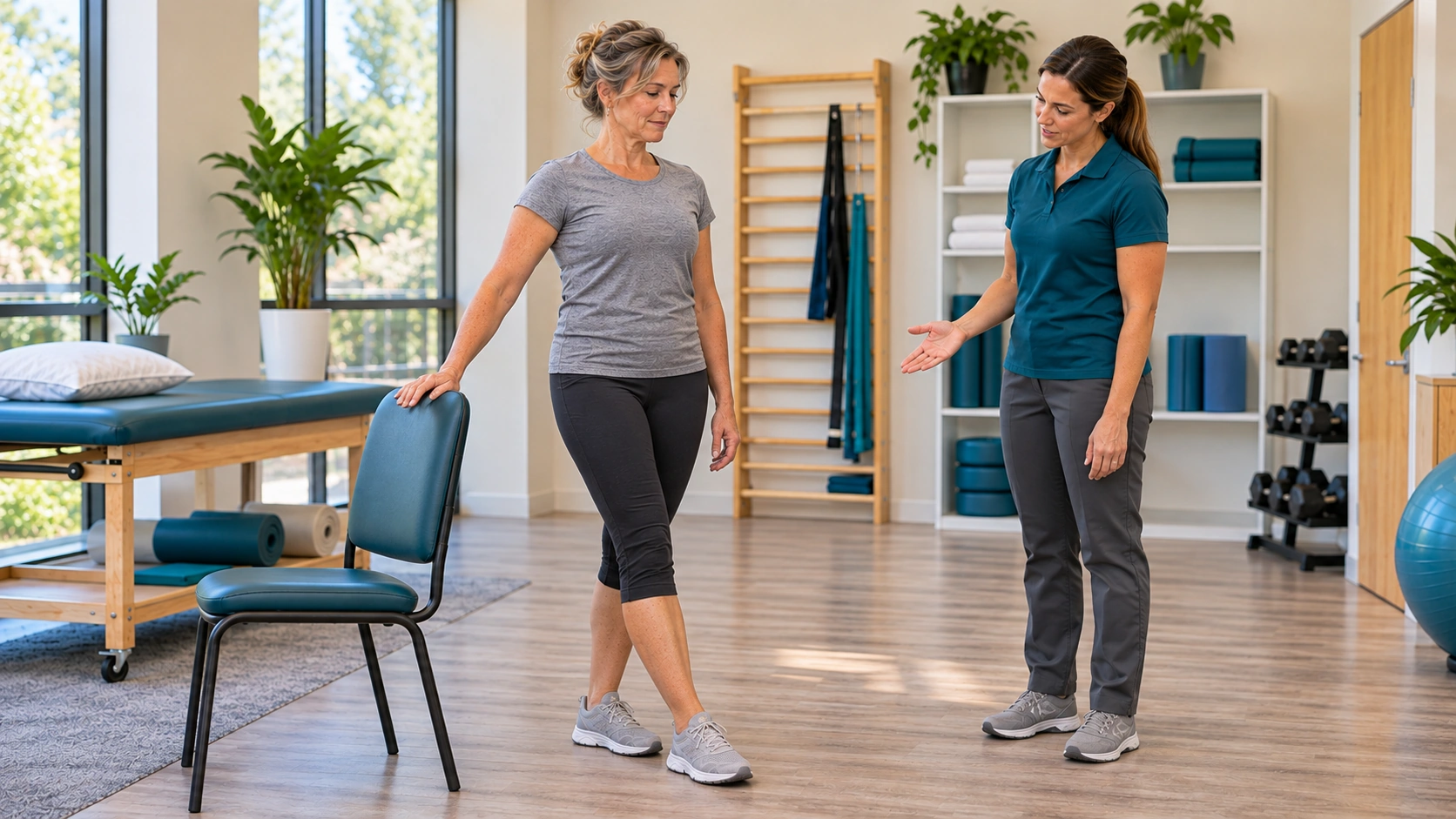
Additional services are recommended only when appropriate for your needs.
A few questions before you start.
No single pattern suits every person or task. Bodies, abilities, activities, and preferences vary. A movement that looks different is not automatically harmful or the cause of pain. Dr. Arva Gadly considers your history, symptoms, strength, and task demands before discussing whether a change would be useful.
It is an assessment approach that helps inform decisions. Watching a task may lead to discussion, additional testing, exercise, movement practice, or changes to the task itself. It does not replace a full clinical evaluation or diagnose every source of symptoms from appearance alone.
Wear comfortable clothing that lets you perform the tasks you want to discuss. Bring usual footwear and any relevant medical instructions. You can describe work or exercise demands and examples of difficult movements. Tasks are chosen around your ability, symptoms, and safety rather than pushing through a movement you cannot tolerate.