
Spinal Manipulation
An optional technique. An individualized decision.
A hands-on option considered after screening, discussion, and consent.
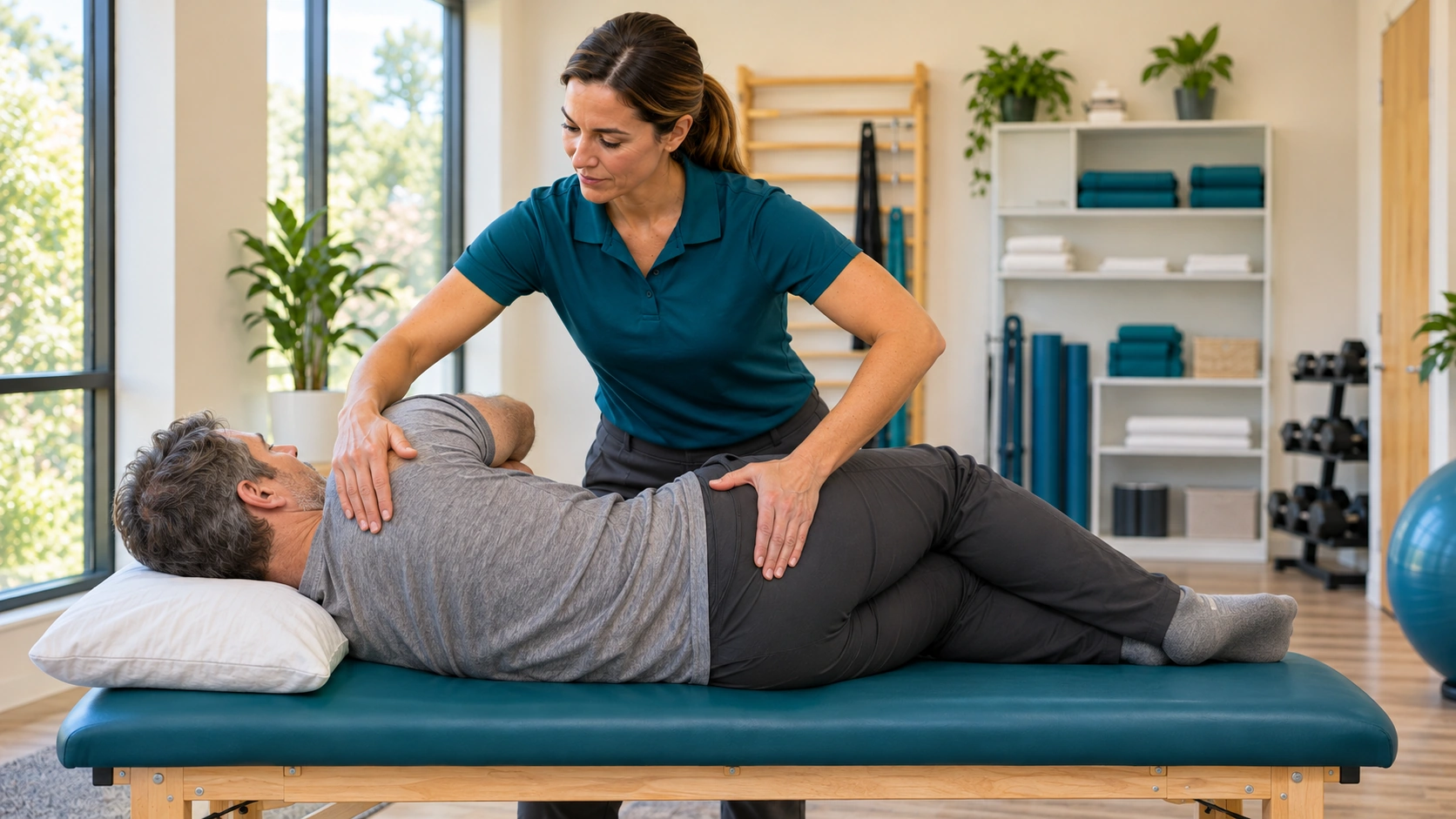
What is spinal manipulation?
Spinal manipulation is a hands-on technique that uses a controlled thrust applied to a spinal joint. It differs from slower joint mobilization and may be considered for selected concerns within rehabilitation. The choice depends on your symptoms and assessment, rather than a need to make every joint produce a sound.
At Stride, Dr. Arva Gadly reviews your health history, movement, goals, and preferences before discussing whether manipulation is appropriate. You will have an opportunity to discuss the purpose, potential benefits, risks, and alternatives before consenting. If chosen, it is connected to a broader plan that may include exercise, education, and movement practice.
What spinal manipulation may help with?
Select a topic to explore.
Putting on shoes or picking up a basket can become uncomfortable for different reasons. Assessment helps guide whether manipulation, other hands-on care, exercise, or another approach is suitable.
Standing after a long meeting or car ride may leave your back feeling restricted. Dr. Arva Gadly considers your movement and symptoms before discussing treatment options and practical activity strategies.
Turning to reach a nearby item or changing position can highlight movement concerns. Your evaluation connects these tasks with appropriate care choices rather than assuming every limitation needs manipulation.
Loading laundry, working at a counter, or tidying may be harder when back symptoms persist. Any treatment choice should have a clear purpose within a plan for the tasks you want to manage.
If discomfort is making movement practice difficult, your rehabilitation options can be reviewed. Manipulation may be considered for selected concerns after screening, discussion, and consent.
You may want to understand how manipulation compares with other approaches. Dr. Arva Gadly explains the options, and you can choose care that does not include manipulation.
Why spinal manipulation may be considered
One option within a thoughtful plan.
Screening first. A clear purpose. Your informed choice.
Support selected back concerns
Manipulation may offer modest improvements for some low-back concerns. Your assessment helps determine whether discussing it is appropriate.
Connect treatment with daily function
Any change in comfort or movement is considered alongside meaningful tasks and appropriate exercise, rather than a joint sound alone.
Keep your preferences central
Dr. Arva Gadly discusses risks and alternatives before treatment and reviews your response. Manipulation is optional and can be declined.
Services that may complement your plan.
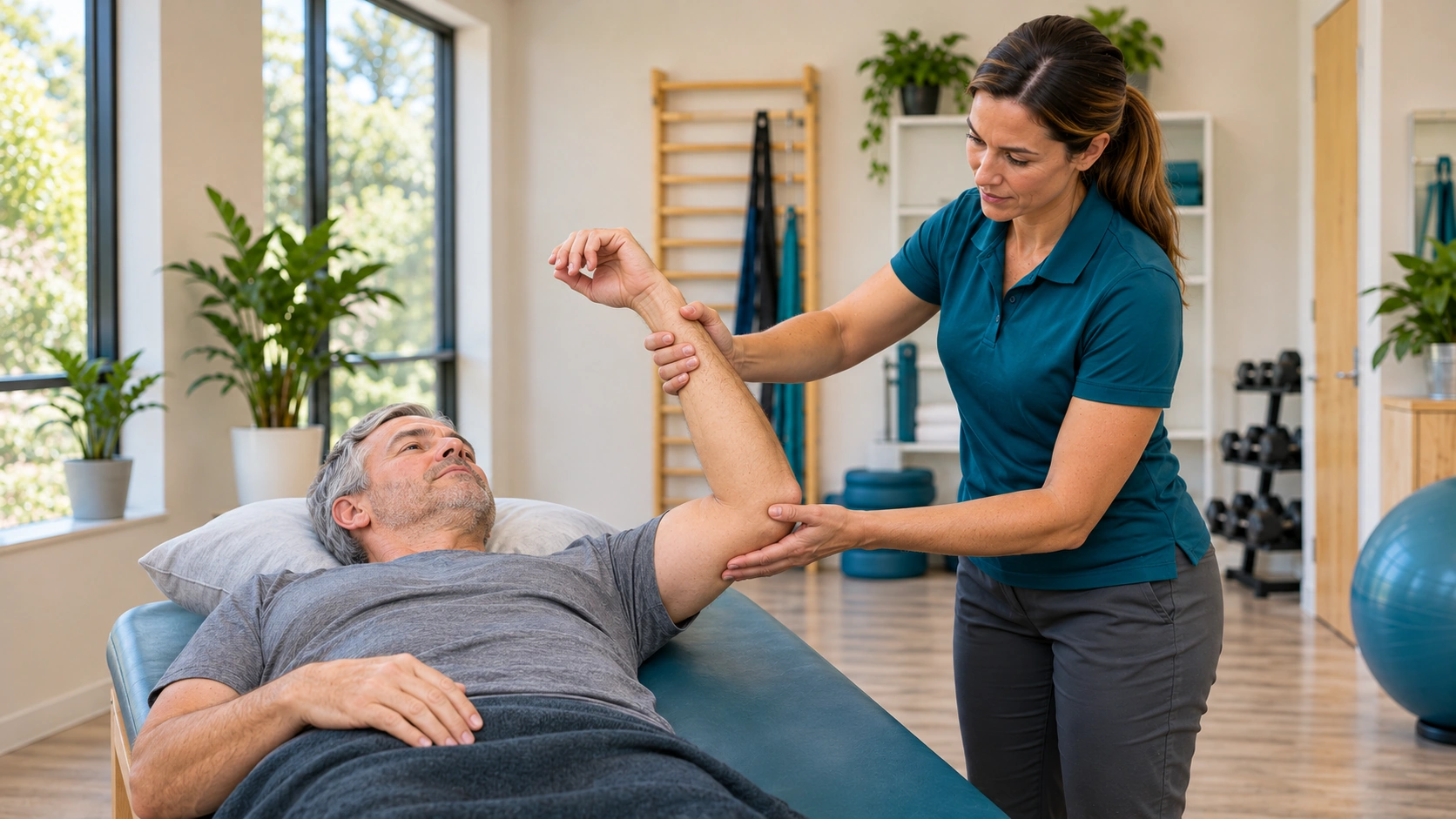
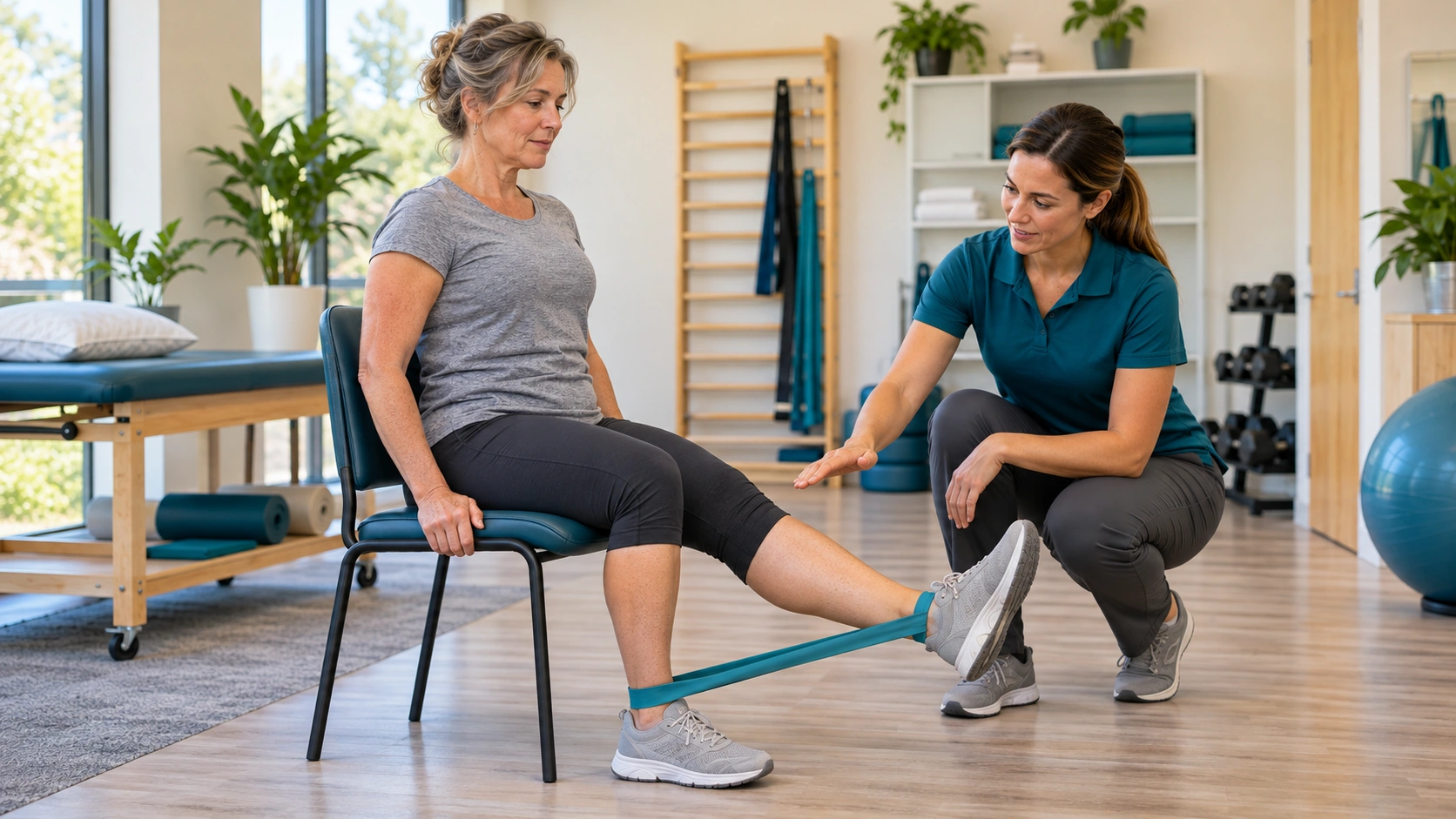
Additional services are recommended only when appropriate for your needs.
A few questions before you start.
No. It is an optional technique, and many rehabilitation plans use other approaches. Your health history, examination, goals, and preferences guide the discussion. Ask Dr. Arva Gadly about the purpose, expected benefit, alternatives, and any concerns. Your consent matters, and you can decline the technique.
No. A sound does not establish that a bone was out of place or that treatment succeeded. Improvement is assessed through symptoms, movement, function, and your goals rather than a joint sound. Manipulation is not a promise to permanently realign the spine or correct every cause of back pain.
Temporary soreness or increased discomfort can occur, and rare serious adverse events have been reported. Risks vary with the area treated and your health. Share conditions such as osteoporosis, recent injury or surgery, neurological symptoms, and relevant medications. Screening and informed consent should take place before any technique is chosen.