Sports Rehab
Rebuild for the activities you love.
Rehabilitation shaped around your sport, starting point, and return-to-activity goals.
What is sports rehab?
Sports rehabilitation connects recovery with the movements and demands of the activities you enjoy. Running, lifting, changing direction, or returning to a weekend game may feel different after an injury or time away. Care considers your strength, mobility, balance, symptoms, and the specific tasks you want to return to.
At Stride, Dr. Arva Gadly assesses your current ability and discusses your injury history, training, and goals. Your plan may include progressive exercise, movement practice, and guidance on adapting activity. Progression reflects your response, the demands of your sport, and any medical or surgical precautions.
What sports rehab helps with?
Select a topic to explore.
A familiar route may feel different when symptoms interrupt your stride or limit distance. Dr. Arva Gadly considers your training, strength, movement, and response to activity when discussing a rehabilitation plan.
Lowering into an exercise or getting back up can feel uncertain after injury. Strength and movement practice can be chosen around your starting point, comfort, and the demands of your workout.
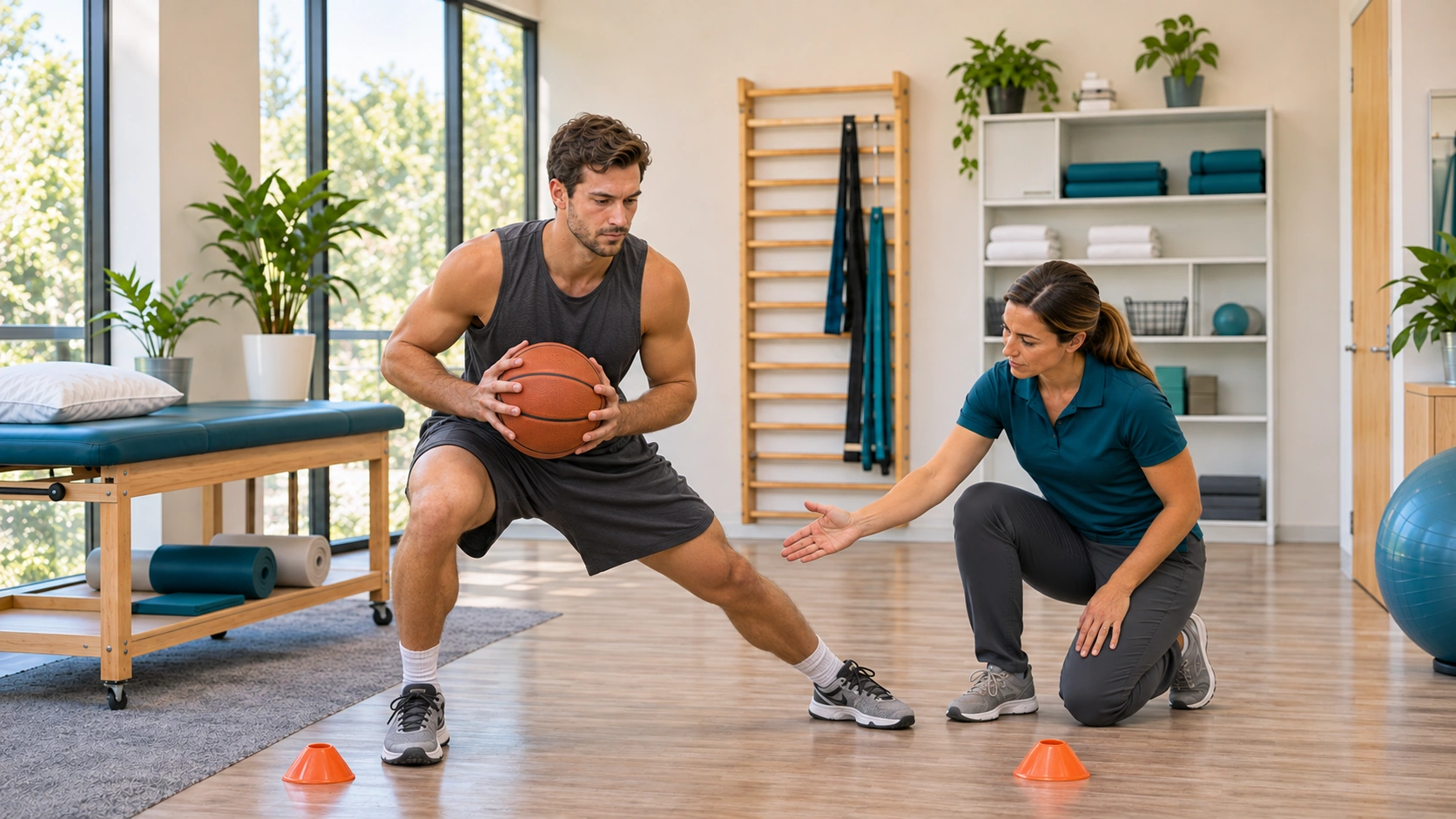
Pivoting, changing direction, or reacting during a game can challenge confidence and control. Rehabilitation may progress toward these tasks when appropriate for your findings and recovery stage.
Serving, throwing, or lifting overhead can place different demands on the shoulder and upper body. Your plan connects relevant mobility, strength, and practice with the activity you want to resume.
Returning to impact activity may involve more than feeling comfortable at rest. When appropriate, Dr. Arva Gadly can assess relevant movement and build practice toward the demands of takeoff, landing, and repeated effort.
Your goal may be a recreational match, a gym routine, or keeping up with an active hobby. Rehabilitation breaks those demands into manageable stages and reviews your readiness as care progresses.
Why sports rehabilitation works
Build toward the demands of your activity.
Progressive practice, meaningful goals, and decisions guided by your response.
Build strength and capacity
Progressively selected exercises address the strength and activity tolerance your sport or workout requires, starting from your current ability.
Practice the movements that matter
Rehabilitation can connect strength and mobility work with tasks such as running, turning, reaching, and landing when appropriate.
Make informed return-to-activity decisions
Symptoms, function, practice, and medical precautions help guide progression. Your plan is reviewed against activity demands rather than a calendar alone.
Services that may complement your plan.
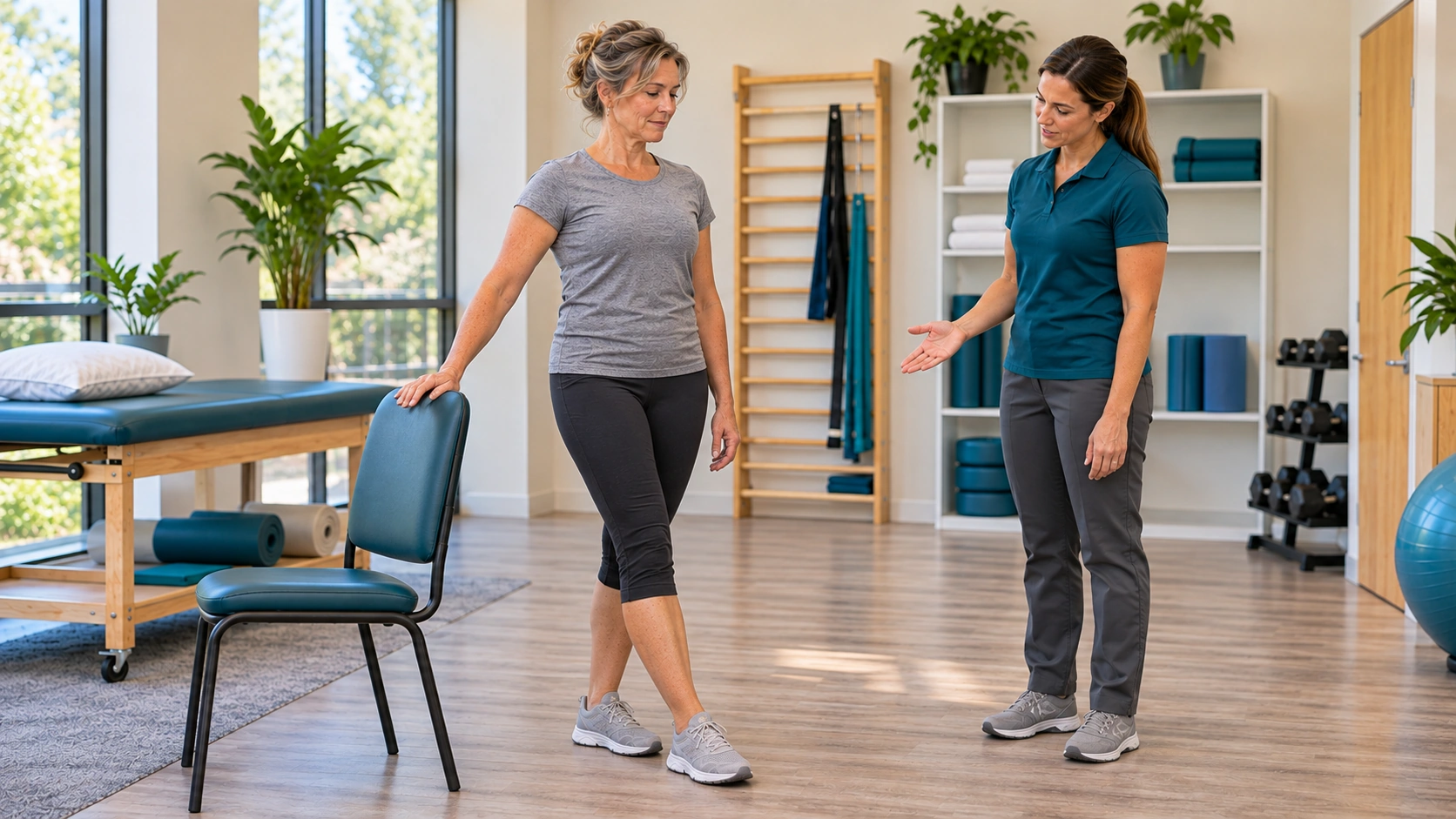
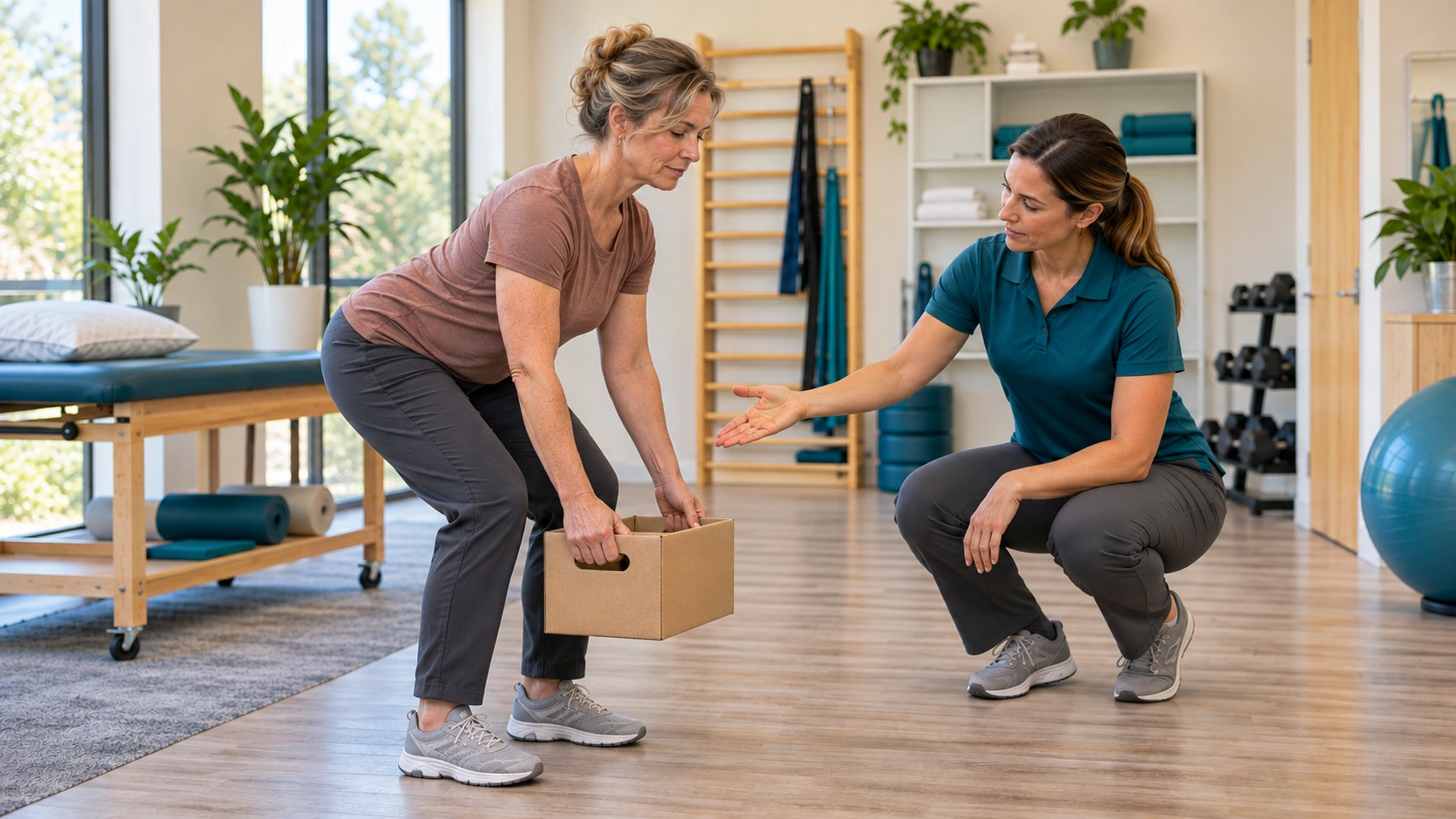
Additional services are recommended only when appropriate for your needs.
A few questions before you start.
No. Rehabilitation can be relevant to recreational exercise, running, gym activity, community sport, and active hobbies. Your own goals and starting point matter more than a competitive label. Tell Dr. Arva Gadly what you want to return to and what currently feels difficult or uncertain.
Readiness depends on the injury or procedure, medical precautions, symptoms, strength, function, and demands of the activity. Appropriate tests and practice help inform a gradual return. There is no single timeline that suits everyone, and rehabilitation cannot guarantee that an injury will not recur.
Often some activity can be maintained or modified, but this depends on your findings and any medical guidance. Discuss which tasks provoke symptoms and what alternatives may be appropriate. Training load, exercise choice, recovery time, and progression can be adapted as your capacity and response change.