
Gait Analysis
Understand the way you walk or run.
A closer look at movement, symptoms, and the demands of your everyday steps.
What is gait analysis?
Gait analysis is an assessment of how you walk or run and how that relates to your symptoms and goals. A shorter walk, a change in stride, or uncertainty on your usual route may prompt a closer look. Findings are considered with your strength, mobility, balance, footwear, and activity demands.
At Stride, Dr. Arva Gadly observes tasks suited to your current ability and asks what has changed in daily life. The assessment helps guide practical next steps, which may include exercise, walking practice, activity adjustments, or further evaluation. Recommendations are individualized rather than built around one ideal stride.
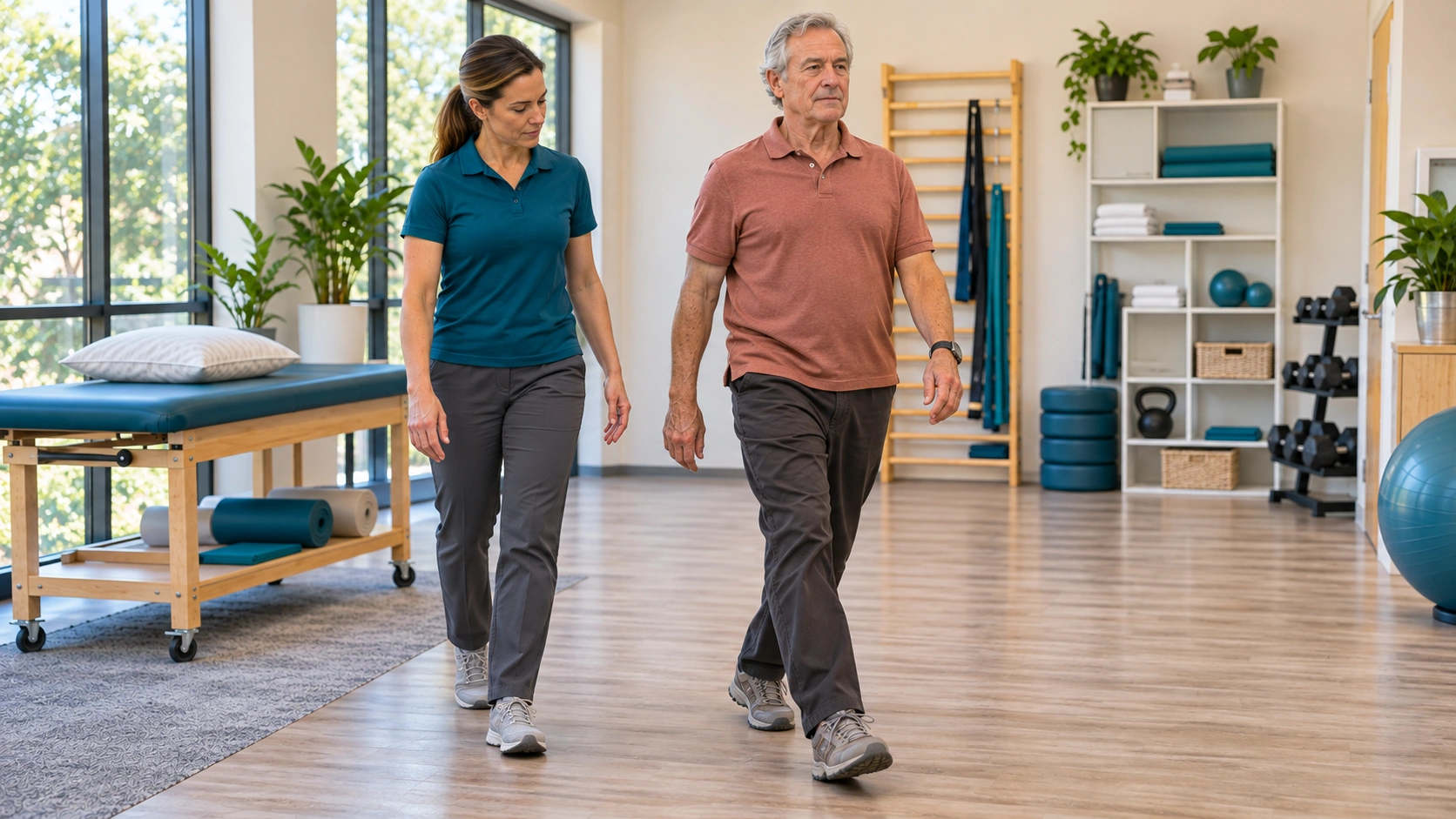
What gait analysis can explore.
Select a topic to explore.
You may notice a limp, a shorter step, or extra effort when walking. Dr. Arva Gadly considers these changes with your recovery history, symptoms, strength, and mobility.
Pain, fatigue, or uncertainty may affect how far you want to walk. Assessment connects what happens during walking with your broader health, current ability, and daily goals.
Curbs, changes in surface, and turns can make everyday routes more challenging. Relevant walking and balance tasks can help guide practical recommendations.
The way you run is one part of the picture. Training changes, strength, mobility, symptoms, and the demands of your route are also considered before suggestions are made.
Changing direction or moving between levels may feel less automatic than before. Tell Dr. Arva Gadly which situations are difficult so suitable tasks can be included in the assessment.
Different footwear, a new job, or an increase in walking can change your daily demands. Bring your usual shoes and describe recent changes so these can be considered in context.
Why gait analysis is useful
Understand your steps in the context of your life.
Observation, assessment, and practical recommendations connected to your goals.
Connect symptoms with real movement
Watching you walk or run adds information to your history and physical assessment, helping bring everyday challenges into the discussion.
Guide relevant next steps
Findings may inform exercises, walking practice, or changes to activity. Any recommendation should have a clear purpose and be reviewed for response.
Respect the way you move
People have different strides. Dr. Arva Gadly considers comfort, ability, and task demands before suggesting a change.
Services that may complement your plan.
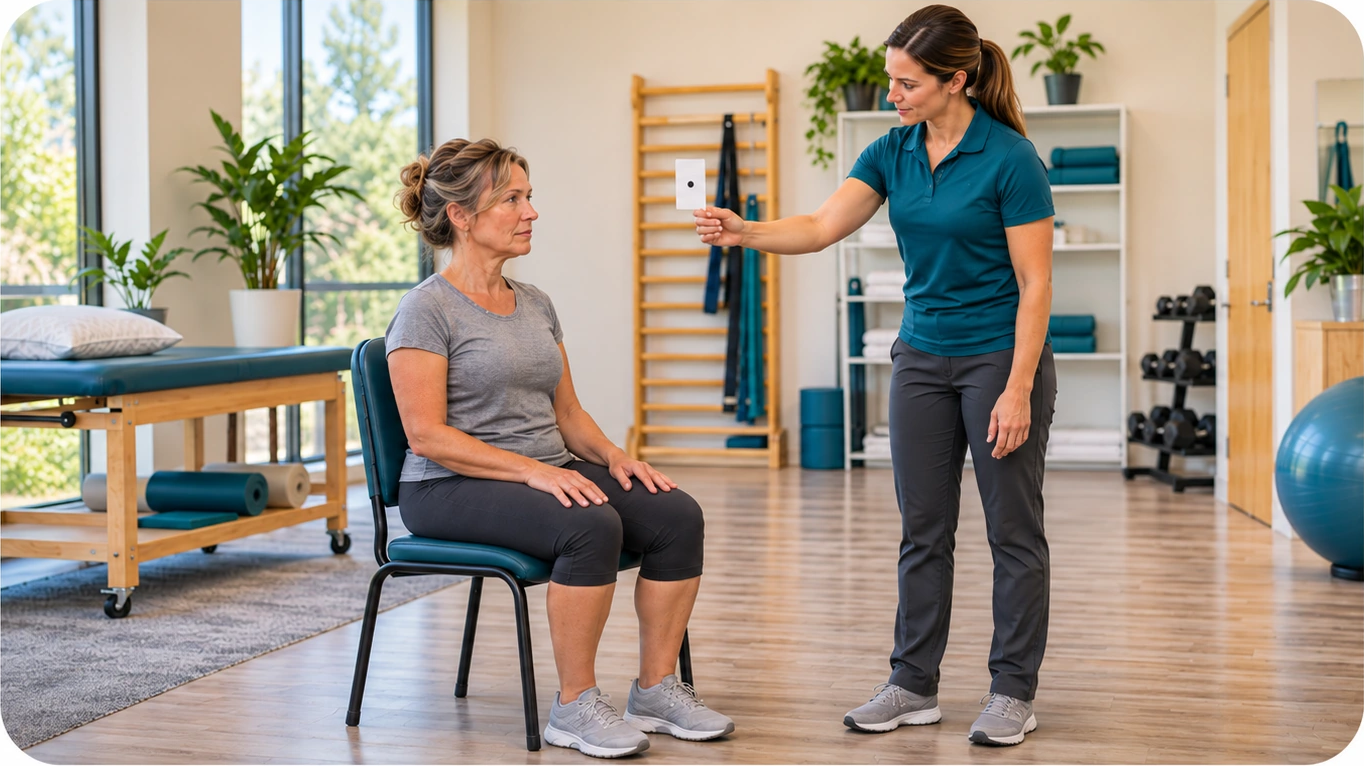

Additional services are recommended only when appropriate for your needs.
A few questions before you start.
No. Walking concerns, changes after injury, limited endurance, balance challenges, or difficulty on stairs can also prompt an assessment. Tell Dr. Arva Gadly which situations matter to you and what has changed. The tasks observed depend on your symptoms, ability, and goals.
Not automatically. People move differently, and a variation does not by itself identify the cause of pain. Findings are considered with your history, symptoms, strength, and function. Any suggested changes should have a clear purpose and be reviewed for comfort, practicality, and response.
Wear clothing that lets you move comfortably and bring the shoes you use for walking, work, or running. Bring a usual walking aid if you use one and any relevant medical instructions. Mention recent changes in footwear, training, activity, symptoms, or falls so these can be considered.