IASTM
A soft-tissue option within a broader plan.
Instrument-assisted soft tissue mobilization, considered around your needs and preferences.
What is IASTM?
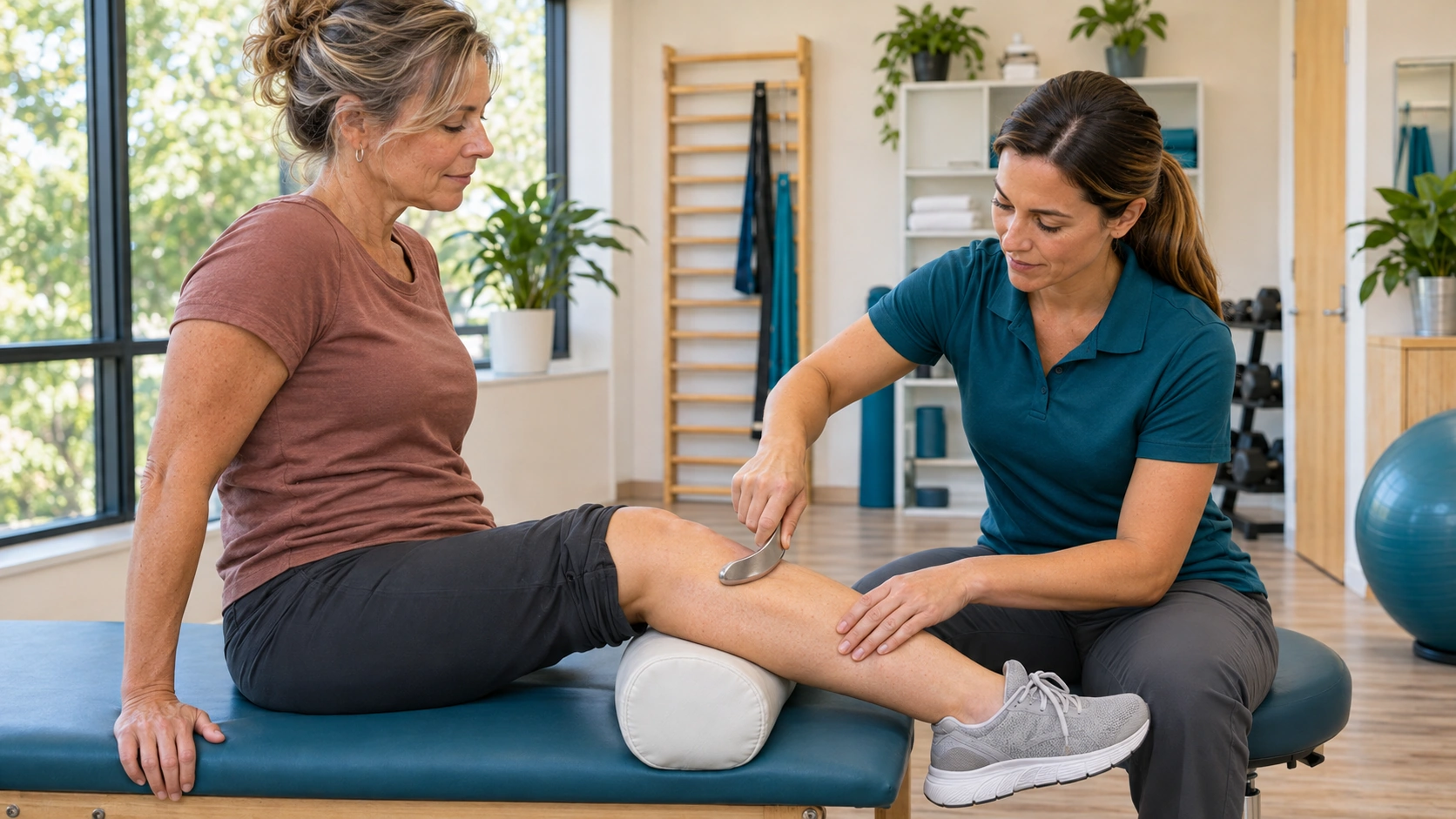
IASTM stands for instrument-assisted soft tissue mobilization. It uses a smooth-edged handheld tool to apply controlled contact to selected soft tissues. The area, pressure, and purpose are guided by assessment and comfort, with the technique considered as an optional part of rehabilitation.
At Stride, Dr. Arva Gadly reviews your symptoms, skin, health history, and preferences before discussing whether IASTM adds value to your plan. It may be combined with exercise, movement practice, and education when appropriate. Your response guides whether to continue, adjust, or use another approach.
What IASTM may help with?
Select a topic to explore.
Persistent tightness or discomfort can affect how you approach walking or exercise. Your symptoms and health history are assessed before discussing whether an instrument-assisted technique or another option is appropriate.
Carrying a bag, using tools, or gripping during exercise may bring on symptoms. Dr. Arva Gadly considers the task and relevant movement before selecting care; a tool is not automatically the right answer.
Reaching a shelf or getting dressed may highlight soft-tissue discomfort or movement concerns. Any use of IASTM is considered alongside relevant exercise and movement practice.
Bending a knee or moving an ankle may feel restricted for different reasons. Assessment helps guide treatment options rather than assuming every stiff area needs instrument-assisted care.
Share when symptoms appear, what makes them better or worse, and what activities you avoid. These details help Dr. Arva Gadly discuss whether IASTM has a useful role within your rehabilitation.
Pressure and positioning should be discussed throughout treatment. You can ask for changes, stop the technique, or choose a plan built around other rehabilitation options.
Why IASTM may be considered
A tool with a clear purpose in your care.
Individualized contact, attention to comfort, and progress measured through function.
Explore an additional hands-on option
IASTM may be discussed for selected soft-tissue concerns. Research findings vary, so the intended purpose and limitations are part of the conversation.
Pair treatment with movement
When used, the technique is connected to appropriate exercise, education, and meaningful activity goals rather than standing alone.
Review what is useful for you
Your comfort, skin response, symptoms, and function guide decisions. Bruising or redness is not a measure of successful treatment.
Services that may complement your plan.
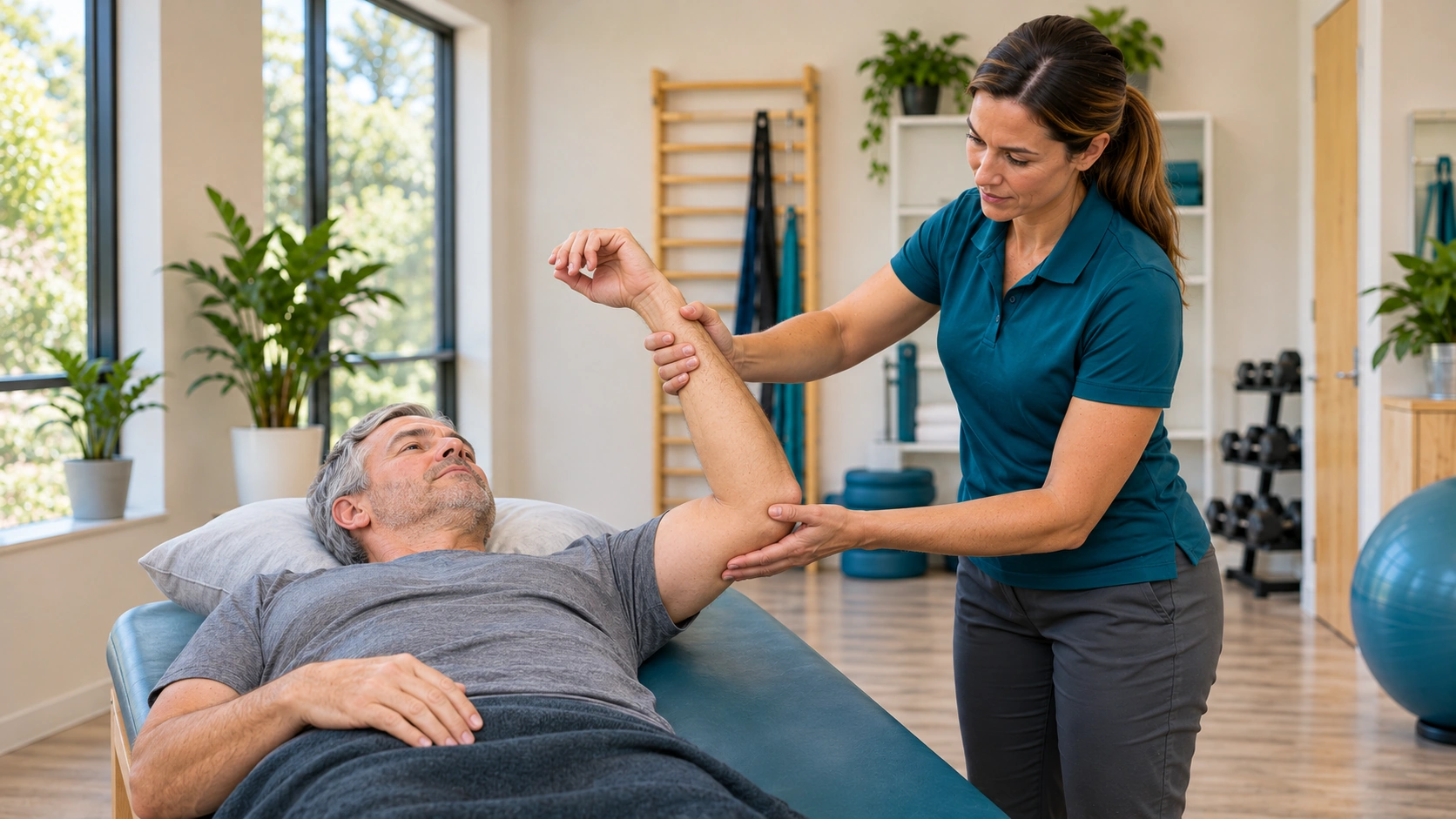
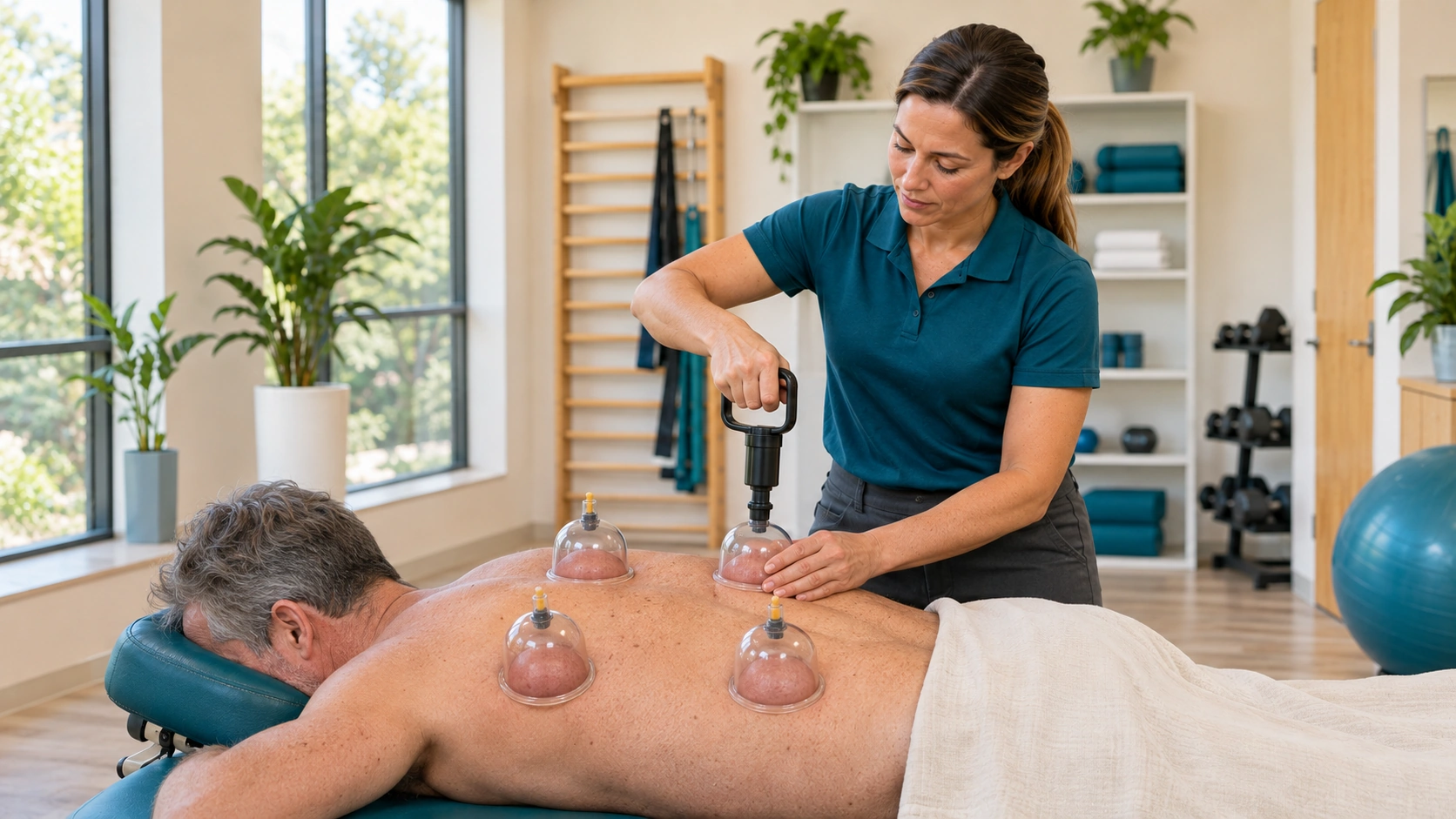
Additional services are recommended only when appropriate for your needs.
A few questions before you start.
IASTM uses a smooth-edged instrument, but the tool alone does not define an appropriate treatment. Pressure, area, duration, and purpose depend on assessment and comfort. It should not be presented as a necessary way to scrape away damage. Ask how it fits your wider plan and what alternatives are available.
Bruising is not a goal or proof that treatment worked. Tell your clinician about easy bruising, blood-thinning medication, sensitive skin, or other health concerns before treatment. Pressure should be discussed and adjusted, and the technique can be stopped. Skin condition and response help guide whether it is appropriate.
Strong claims that a tool mechanically breaks up scar tissue are not a reliable explanation of its effects. Research findings vary across conditions and techniques. Discuss the intended purpose, limitations, and alternatives with Dr. Arva Gadly. Progress should be judged through symptoms, movement, and function rather than redness or marks.