
Vestibular Therapy
Find a steadier way forward.
Assessment and rehabilitation for dizziness, motion sensitivity, and balance concerns.
What is vestibular therapy?
Vestibular therapy is rehabilitation for certain dizziness, motion sensitivity, and balance problems. It uses exercises and movement strategies selected around your findings, whether symptoms interrupt turning in bed, shopping, walking, or moving around your home. Dizziness has several possible causes, so understanding your symptoms and deciding on appropriate care come first.
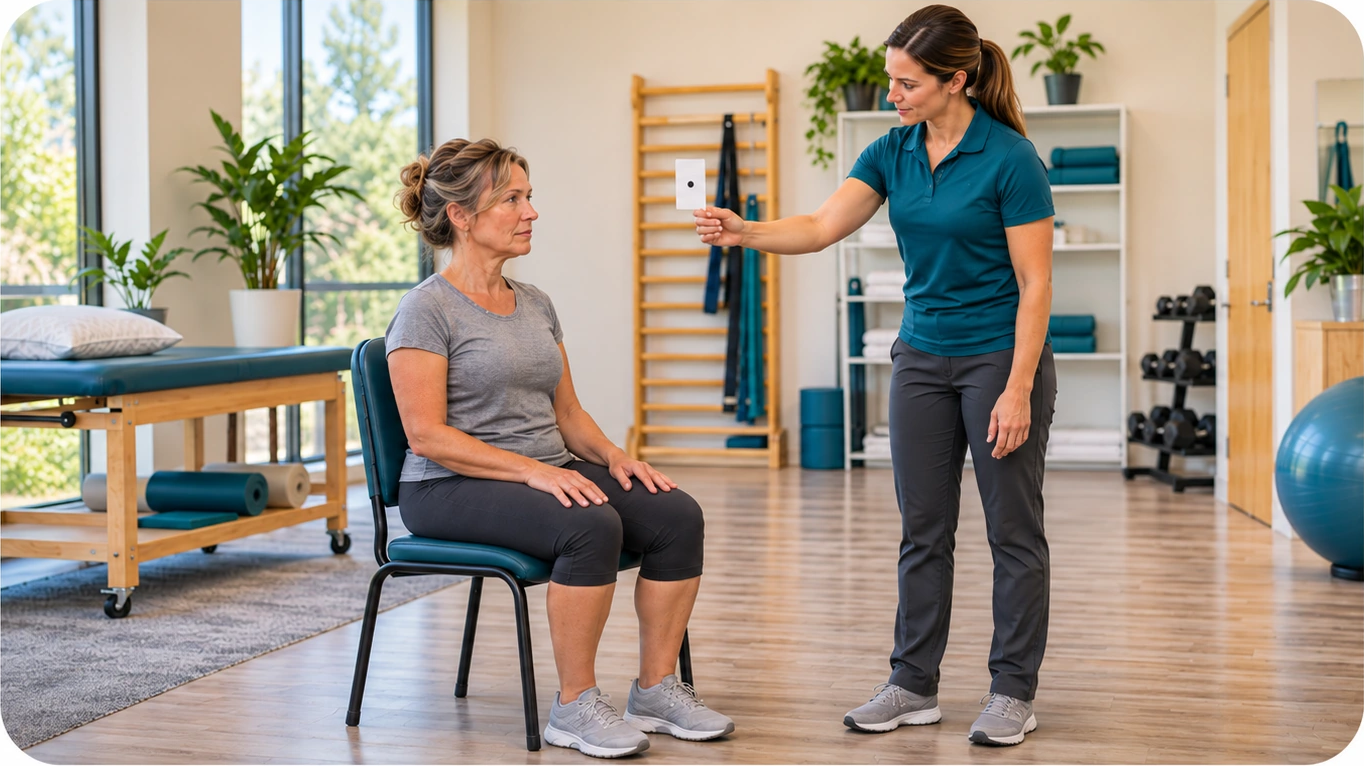
At Stride, Dr. Arva Gadly reviews your health history, symptom patterns, and daily challenges and assesses relevant balance and movement. Your plan may include balance practice, walking tasks, or selected eye-and-head movement exercises, with guidance for practice between visits. Your response and safety guide the pace, and further medical assessment may be recommended when needed.
What vestibular therapy helps with?
Select a topic to explore.
Rolling over, lying back, or sitting up may bring on a spinning sensation. Describe the trigger and how long it lasts to Dr. Arva Gadly. Assessment helps identify whether vestibular treatment, further testing, or another referral is appropriate.
Tilting your head to reach a cupboard or looking over your shoulder can bring on symptoms for some people. Your head movement and symptom pattern help guide whether specific vestibular exercises or other treatment options fit your needs.
Crowded spaces, moving people, or rows of products may leave you feeling uncomfortable or unsteady. Share these specific situations so your plan can consider visual motion sensitivity and the environments you want to manage more comfortably.
Looking for traffic, speaking to someone beside you, or changing direction may challenge your balance. Walking and balance practice can be selected around your current ability and the demands of your usual routes.
Curbs, uneven ground, or changes in lighting can make you feel less steady. Dr. Arva Gadly assesses relevant balance and movement and discusses suitable practice, support, and practical ways to approach your daily surroundings.
Bending toward your shoes, moving through the kitchen, or getting ready to go out may feel more complicated when symptoms are unpredictable. Your evaluation connects these challenges with appropriate rehabilitation goals and any need for medical follow-up.
Why vestibular therapy works
Practice for a steadier everyday life.
Specific exercises, a manageable pace, and goals connected to your routine.
Build steadier balance
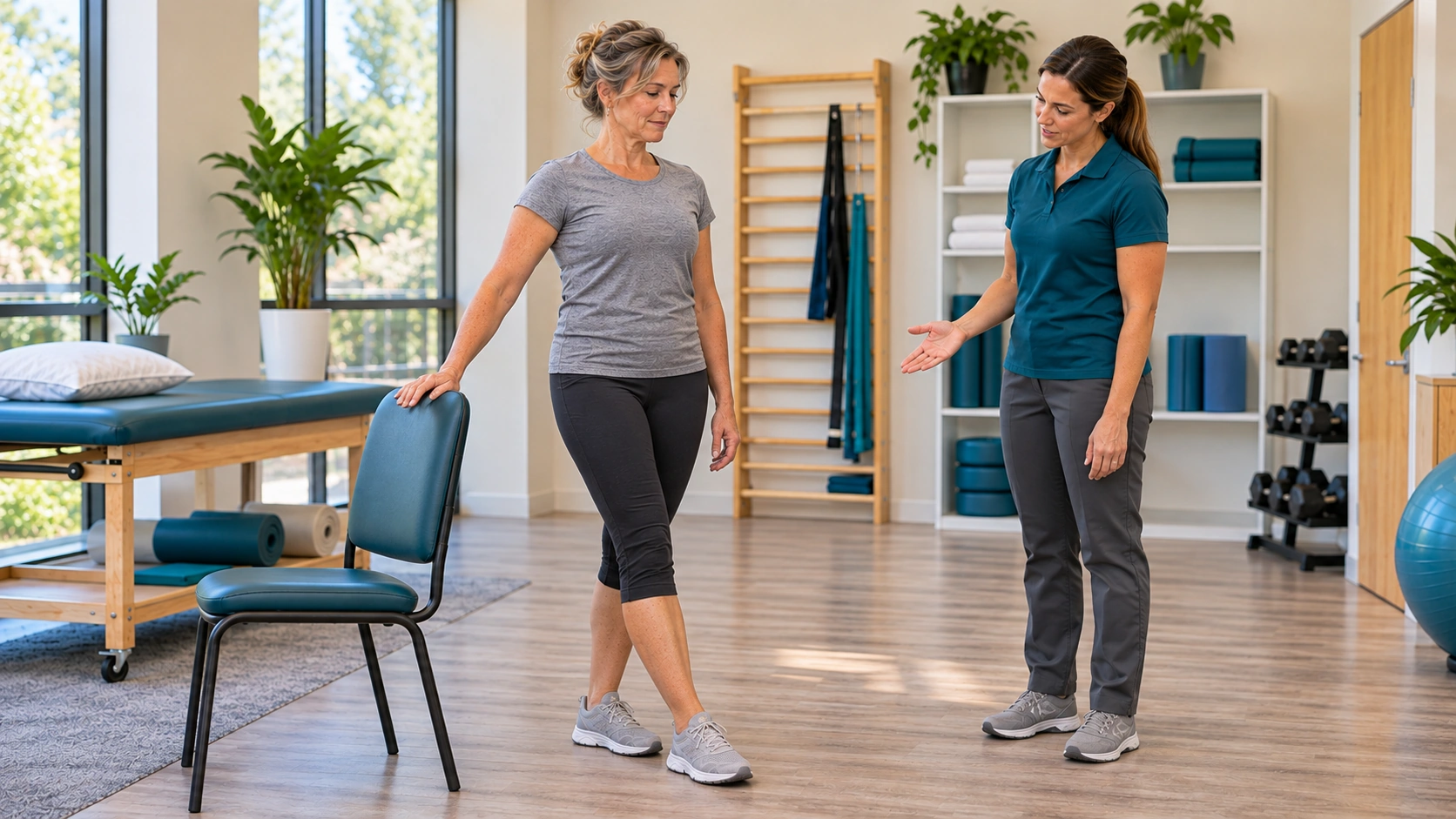
Balance and walking tasks are selected around your findings and current ability, with practice connected to turning, changing direction, and navigating your surroundings.
Work on movement-related symptoms
For appropriate vestibular conditions, selected eye-and-head movement exercises can support function. Your symptoms and response guide the type and pace of practice.
Feel more confident in daily routines
Guided practice and practical strategies connect rehabilitation with shopping, walking, and moving around home. Dr. Arva Gadly reviews your progress and adapts the plan to your needs.
Services that may complement your plan.

Additional services are recommended only when appropriate for your needs.
A few questions before you start.
It may help when vertigo relates to a condition that responds to vestibular treatment. For example, some positional vertigo is triggered by turning in bed or changing head position. Dizziness and spinning can also have other causes, including medications and other health conditions. Dr. Arva Gadly reviews your history and findings to discuss appropriate treatment or referral; the same exercises are not suitable for everyone.
Some selected exercises may briefly bring on symptoms. The amount and duration should be monitored, and Dr. Arva Gadly will explain the expected response, how to pace practice, and when to stop or seek advice. Your plan is adjusted around your tolerance, findings, and safety needs. Share any change in symptoms rather than pushing through an exercise that feels inappropriate.
You will discuss what the symptoms feel like, what brings them on, how long they last, and which activities are difficult. Dr. Arva Gadly may assess relevant eye-and-head movement, balance, and walking, then discuss the findings and next steps. Bring a medication list, relevant test reports, and any medical instructions. Wear comfortable clothing and bring your usual walking aid if you use one.