
Manual Therapy
Hands-on support for more comfortable movement.
Individualized techniques that may complement exercise, movement practice, and education.
What is manual therapy?
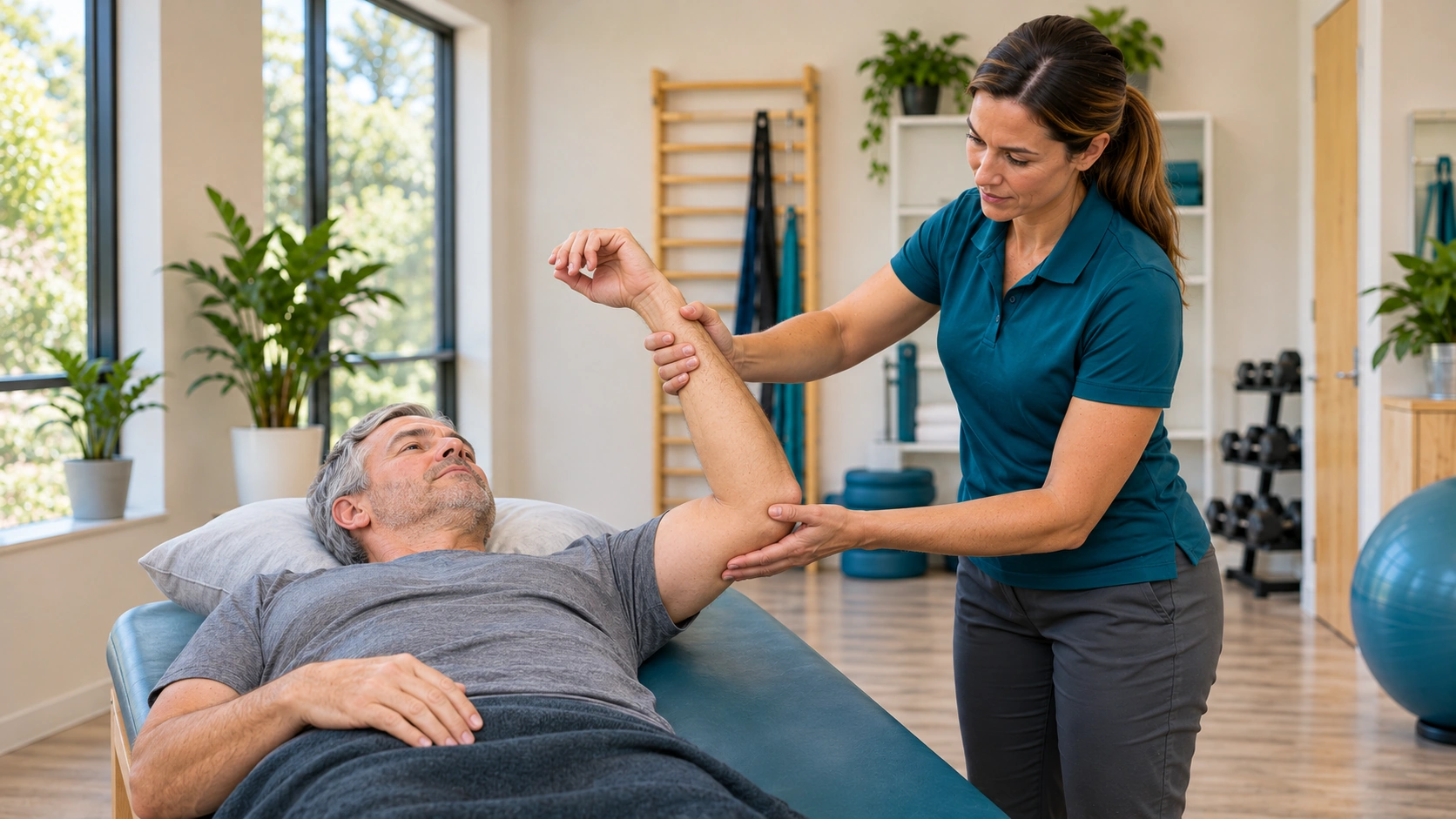
Manual therapy is hands-on care that works with joints and soft tissues as part of rehabilitation. It may be considered when stiffness or discomfort makes tasks such as turning your head, reaching a shelf, or bending to get dressed more difficult. Techniques are selected around your symptoms, health history, comfort, and goals.
At Stride, Dr. Arva Gadly assesses your movement and discusses whether hands-on treatment fits your needs. Your plan may combine manual therapy with exercise, movement practice, and practical guidance for daily activities. Your preferences and response guide the technique, pressure, and positioning, and you can discuss alternatives at any time.
What manual therapy helps with?
Select a topic to explore.
Turning to check behind you or looking over your shoulder may feel stiff or uncomfortable. Dr. Arva Gadly assesses your neck movement and symptoms to discuss whether hands-on care, movement practice, or another approach fits your needs.
Pulling on a shirt, fastening clothing, or reaching into a cupboard can reveal shoulder stiffness. Hands-on care may be paired with exercises selected around the movements you want to use more comfortably.
Time at a desk or repeated tasks can leave your neck, shoulders, or back feeling uncomfortable. Your assessment considers the task and your movement, with hands-on care discussed alongside activity adjustments and exercise.
Reaching toward your feet or picking something up may feel restricted. Dr. Arva Gadly explores your mobility and comfort, then discusses treatment and movement strategies suited to your daily routine.
An injury can leave movement feeling limited even as you return to daily tasks. Manual therapy may be considered within rehabilitation, with treatment guided by your stage of recovery and any medical or surgical precautions.
When stiffness or tenderness makes it harder to take part in your exercise plan, hands-on techniques may be considered to support comfort or movement. Your response helps guide whether to continue, adjust, or use another approach.
Why manual therapy may help
Hands-on care with an everyday purpose.
Selected for your needs. Connected to movement. Adjusted to your response.
Support more comfortable movement
Some people experience short-term changes in comfort with manual therapy. Your response helps guide whether a technique is useful within your plan.
Work on movement that feels restricted
Hands-on techniques may be considered for stiffness that affects reaching, turning, or bending, alongside practice that helps you use that movement.
Build on it with active care
Dr. Arva Gadly pairs appropriate hands-on care with exercise, movement practice, and everyday guidance, connecting treatment with the activities that matter to you.
Services that may complement your plan.
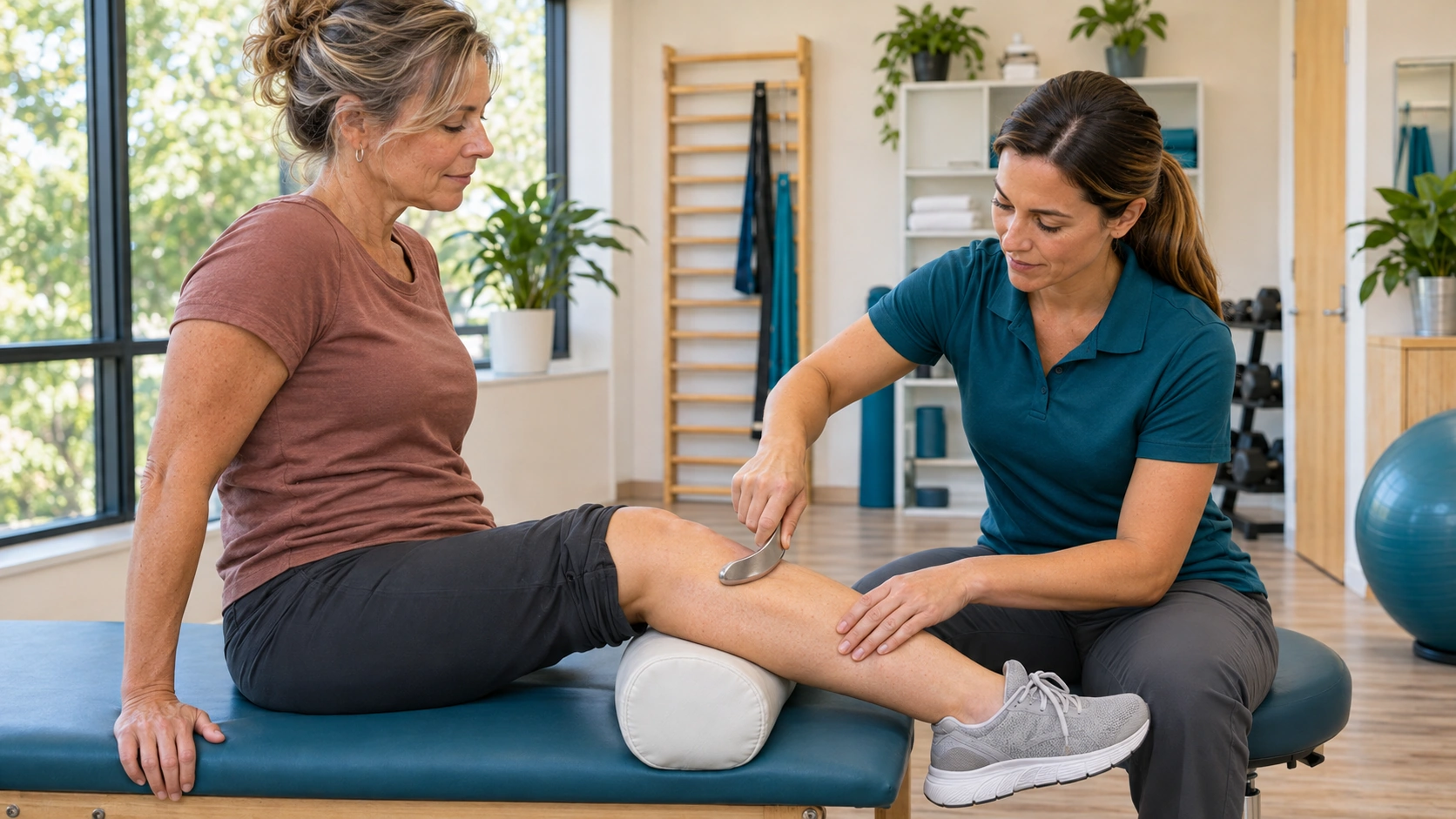
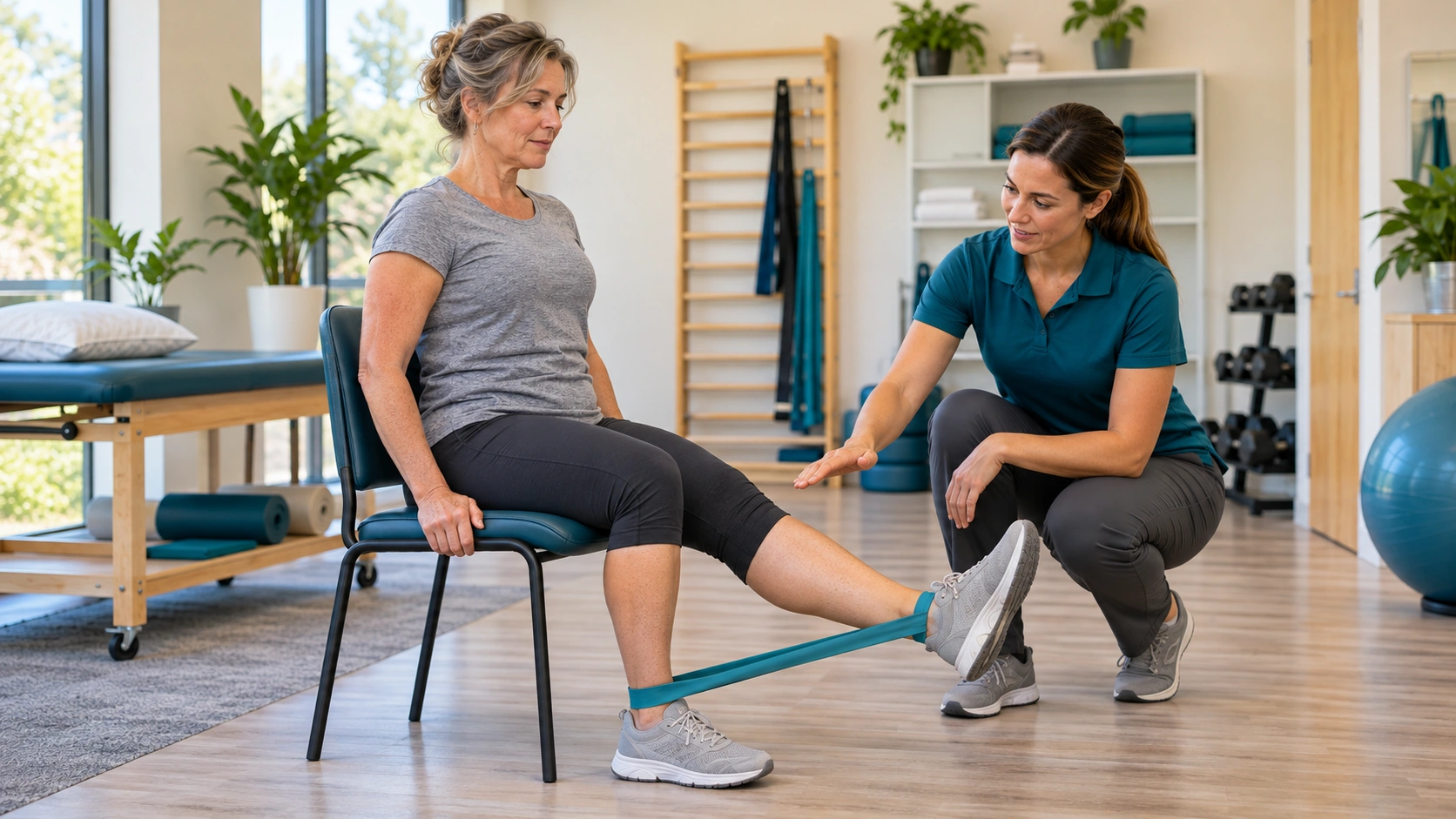
Additional services are recommended only when appropriate for your needs.
A few questions before you start.
There can be some overlap in soft-tissue techniques, but manual therapy may also include joint mobilization and other skilled approaches. The choice is guided by your evaluation and goals. At Stride, hands-on care is considered within a rehabilitation plan that may also include exercise, education, and everyday movement practice.
Not necessarily. Your symptoms, preferences, progress, and the purpose of each visit guide treatment choices. Some visits may focus more on exercise or function. Tell Dr. Arva Gadly what feels helpful or uncomfortable so the plan can be adjusted; you can discuss alternatives to hands-on treatment.
Explain your comfort level throughout treatment. Pressure and positioning can be modified, and you do not need to tolerate sharp pain or an approach you do not want. Share relevant medical conditions, recent surgery, skin concerns, or changes in symptoms before treatment so appropriate options can be discussed.