
Sports Injuries
Get back to the movements your sport asks of you.
Rehabilitation for injuries that interrupt training, recreation, and competition, with progress shaped around your sport and current ability.
Everyday activities matter.
You may notice symptoms during familiar parts of your day, such as:
- Walking comfortably after a practice or workout
- Climbing stairs or getting up from a low seat
- Carrying a gym bag or lifting everyday objects
- Reaching, throwing, or using an arm overhead
- Jogging, accelerating, or changing direction
- Squatting, jumping, or landing during recreation
Understanding your symptoms
What are sports injuries?
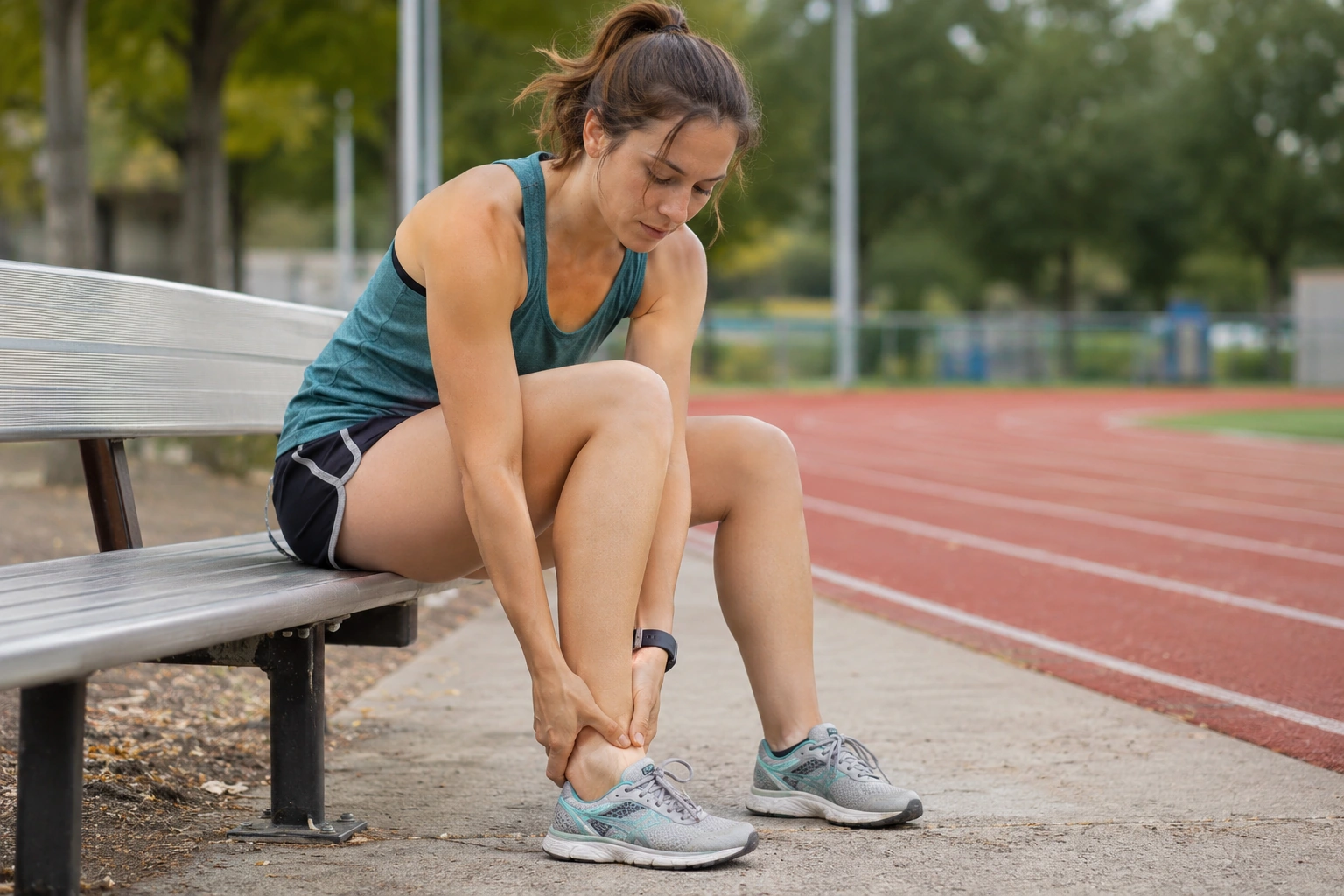
Sports injuries include problems that happen during exercise, training, or recreation. Some follow a sudden twist, fall, or impact; others develop with repeated activity. Pain, swelling, reduced movement, or loss of strength can affect both your sport and ordinary daily tasks.
A sprain involves a ligament, while a strain involves a muscle or tendon. These are only some of the possible injuries. Your assessment considers how the problem started, what your activity requires, and any medical restrictions to guide a gradual, individualized return.
Care with a practical purpose
How physical therapy can help.
Care connects rehabilitation with the strength, movement control, and repeated effort your sport requires.
Rebuild the foundations.
Work on movement, strength, and control affected by your injury. The starting point reflects your diagnosis, current ability, and any medical restrictions.
Practice the demands of your sport.
Progress toward relevant running, cutting, lifting, throwing, or landing tasks. The choice of drills depends on your sport and stage of rehabilitation.
Plan a gradual return.
Discuss training modifications and a staged progression toward practice or recreation. Function, symptoms, confidence, and any required medical clearance inform readiness.
Your concerns, answered.
A little clarity can make the first step feel easier.
No. Your goals may involve a recreational league, running, gym training, or playing with family. Your plan can reflect the activity you enjoy and the level you want to return to.
That depends on your injury, symptoms, and any medical restrictions. Your clinician can help discuss suitable modifications and a gradual progression rather than assuming that every activity must stop or continue unchanged.
Readiness may include strength, movement control, task tolerance, confidence, and any required medical clearance. Sport-specific practice helps inform decisions, but no assessment can guarantee that another injury will not happen.