Dry Needling
A targeted option within your rehabilitation plan.
An optional technique for selected muscle-related pain and movement concerns.
What is dry needling?
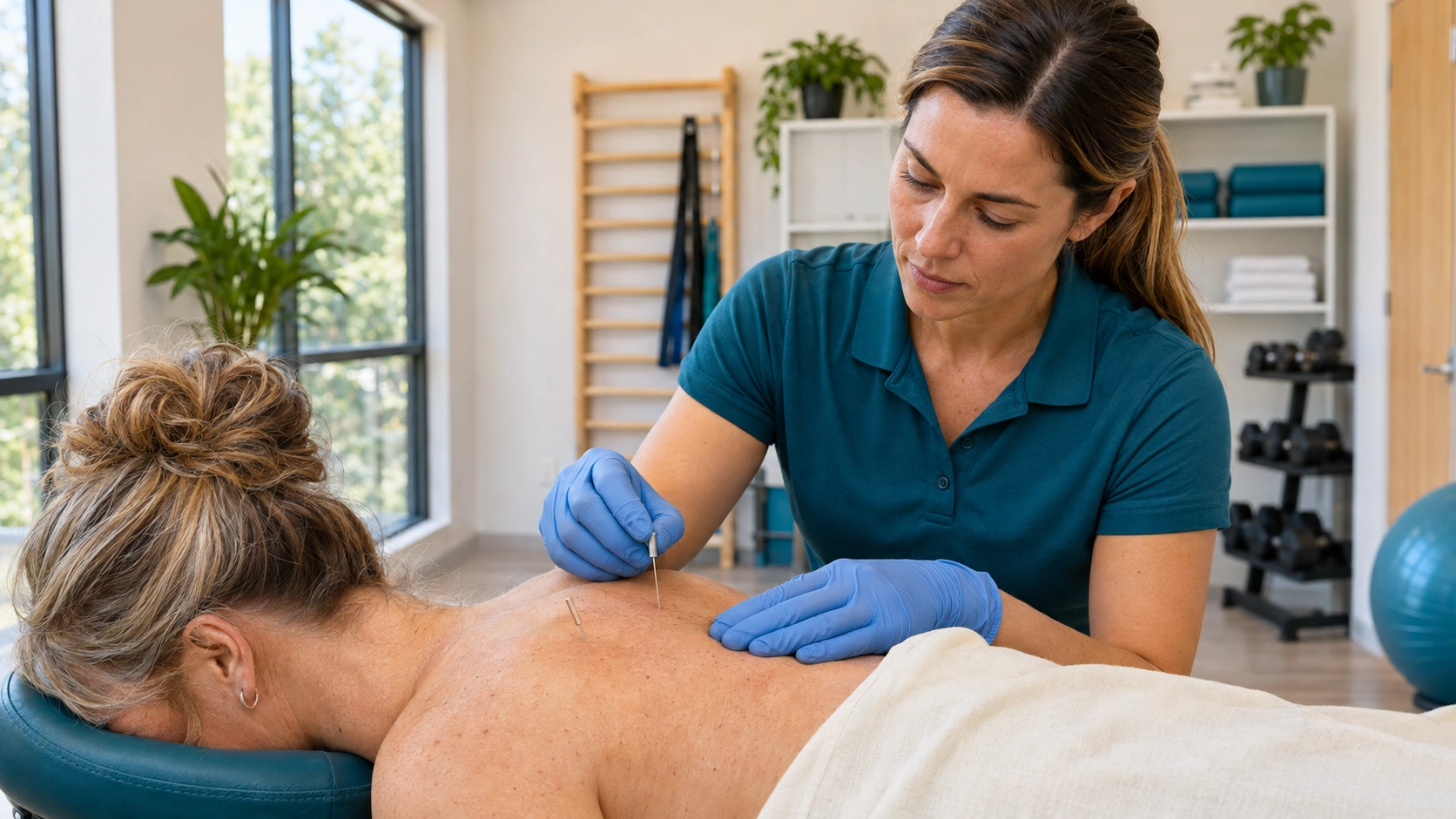
Dry needling uses a fine, sterile needle placed into selected muscle tissue without injecting medication. It may be considered for some muscle-related pain and movement concerns after an assessment. The decision starts with understanding what is limiting your daily activities, rather than treating every sore or tight area in the same way.
At Stride, Dr. Arva Gadly discusses your symptoms, health history, preferences, and the potential benefits, risks, and alternatives before you decide. When appropriate, dry needling may be included alongside exercise, education, and movement practice. It is optional, and your care can be built around other approaches if you prefer not to have it.
What dry needling may help with?
Select a topic to explore.
Turning your head or settling comfortably after a day at your desk may feel harder when muscles are sore. Dr. Arva Gadly assesses your symptoms and movement to discuss whether dry needling or another treatment may fit your needs.
Putting dishes away, getting dressed, or reaching overhead can be uncomfortable for different reasons. If muscle-related pain is contributing, dry needling may be discussed alongside exercises and movement practice selected for your goals.
Long meetings, picking up a bag, or bending toward your shoes may bring on familiar symptoms. An assessment helps explore possible contributors before deciding whether this technique belongs in your rehabilitation plan.
Stepping up, getting out of a chair, or taking a longer walk can highlight movement concerns. If selected muscle-related symptoms are part of the picture, Dr. Arva Gadly may discuss dry needling as one option within broader care.
Persistent muscle discomfort can affect how far you want to walk or how you approach a return to running. Your symptoms and health history need assessment first; not every sore or tight muscle is suitable for needling.
When symptoms make it harder to follow your rehabilitation or exercise plan, treatment options can be reviewed. Any change in comfort or movement after needling is connected to appropriate activity practice and your response.
Why dry needling may be considered
A targeted option within a bigger plan.
Discuss the options. Review your response. Connect care with movement.
Support short-term comfort
Some people experience short-term changes in muscle-related pain after dry needling. Responses vary, and your experience guides whether it remains useful in your plan.
Explore more comfortable movement
If selected muscle-related symptoms are limiting movement, this technique may be considered after assessment. Any change is reviewed against meaningful tasks such as reaching, turning, or walking.
Build on changes with active care
Dry needling can be paired with appropriate exercise, movement practice, and education. The focus stays on your daily activities and rehabilitation goals.
Services that may complement your plan.
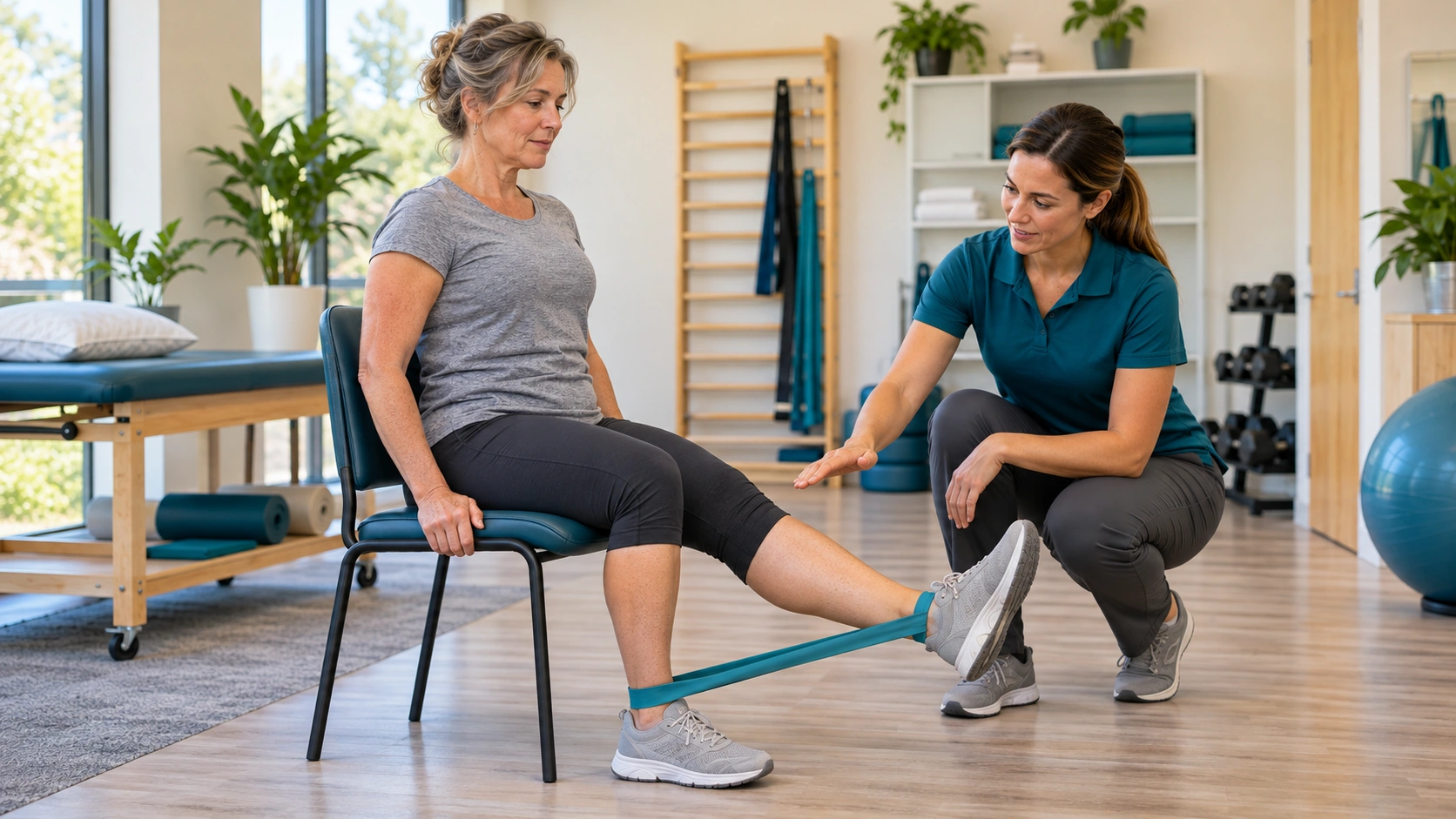

Additional services are recommended only when appropriate for your needs.
A few questions before you start.
You may feel a brief prick, pressure, or a muscle response, and temporary soreness can occur afterward. Sensations vary by person and treatment area. Your clinician should explain the technique and consent process before starting. Let them know if you feel unwell or want to pause, modify, or stop treatment.
No. Your medical history, medications, skin condition, treatment area, and preferences matter. Risks include bruising, bleeding, infection, and rare serious complications such as lung injury in certain areas. Discuss risks, alternatives, and the clinician's relevant training before consenting. Dry needling is an optional part of care.
Usually it is considered as an adjunct rather than a stand-alone plan. Any changes in comfort or motion can be followed by appropriate movement practice, exercise, and education. The need for further sessions depends on your response and goals; there is no guaranteed result or fixed number of treatments.