
Oncology Rehab
Support for the everyday moments that matter.
Individualized rehabilitation for strength, movement, and daily life during and after cancer treatment.
What is oncology rehab?
Oncology rehabilitation supports movement and daily function when cancer or its treatment affects your strength, energy, balance, or mobility. Tasks such as getting dressed, climbing stairs, preparing a meal, or taking a familiar walk may feel different. Care starts with understanding these changes and the activities that matter most to you.
At Stride, Dr. Arva Gadly reviews your health history, treatment, current symptoms, and medical-team guidance to discuss an appropriate rehabilitation plan. Care may include adapted exercise, movement practice, pacing, and practical strategies for daily tasks. The amount and type of activity can change with your needs, with medical clearance or additional specialist support considered when appropriate.
What oncology rehab helps with?
Select a topic to explore.
Cooking, getting ready, or a short trip outside may leave you needing more rest than before. Discuss how fatigue affects your day so activity, rest, and pacing can be planned around your current health and treatment guidance.
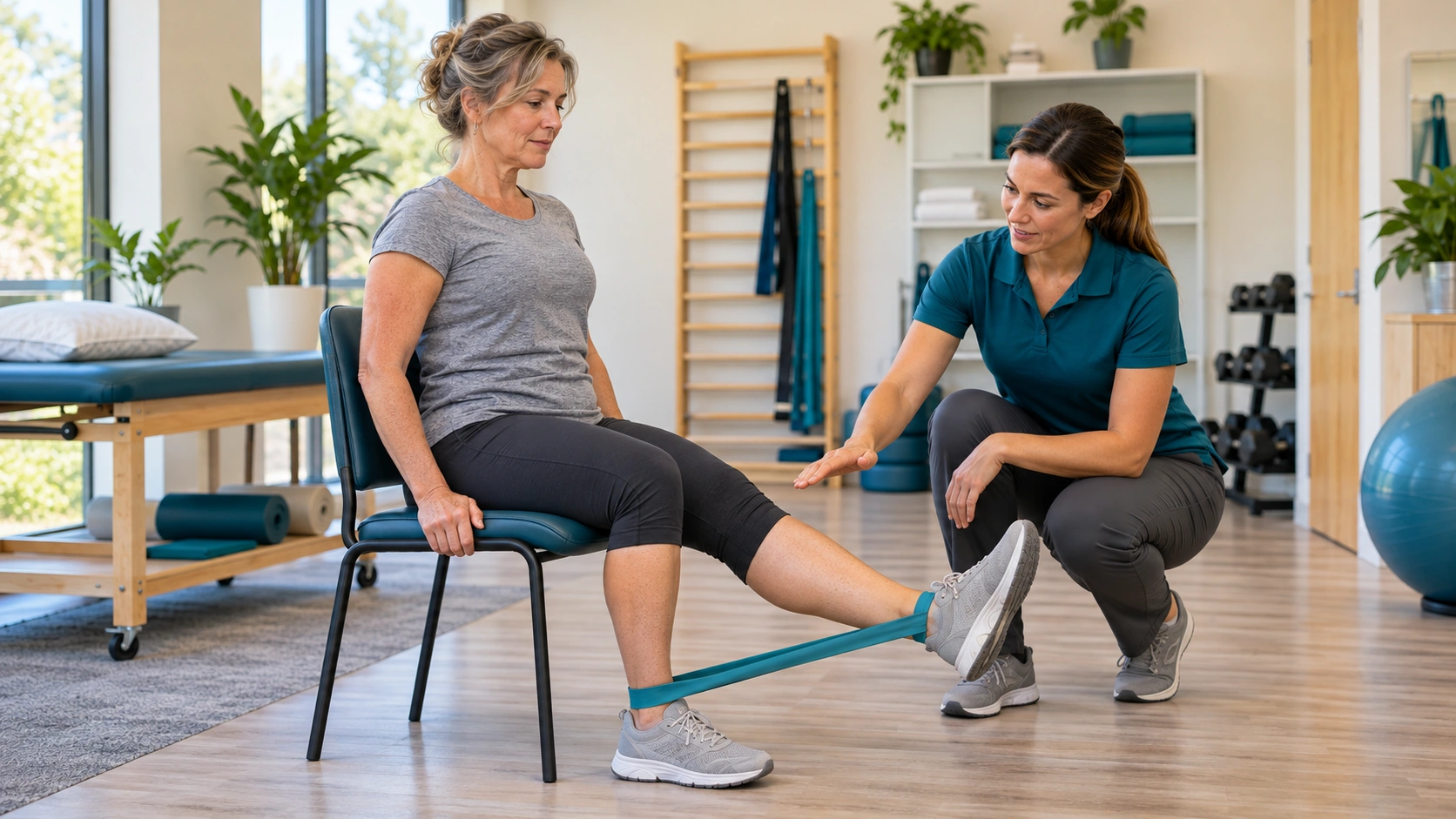
Standing up, managing a step, or carrying a light bag may take more effort when strength has changed. Exercises and task practice can be selected for your starting point and adjusted to your response and medical precautions.
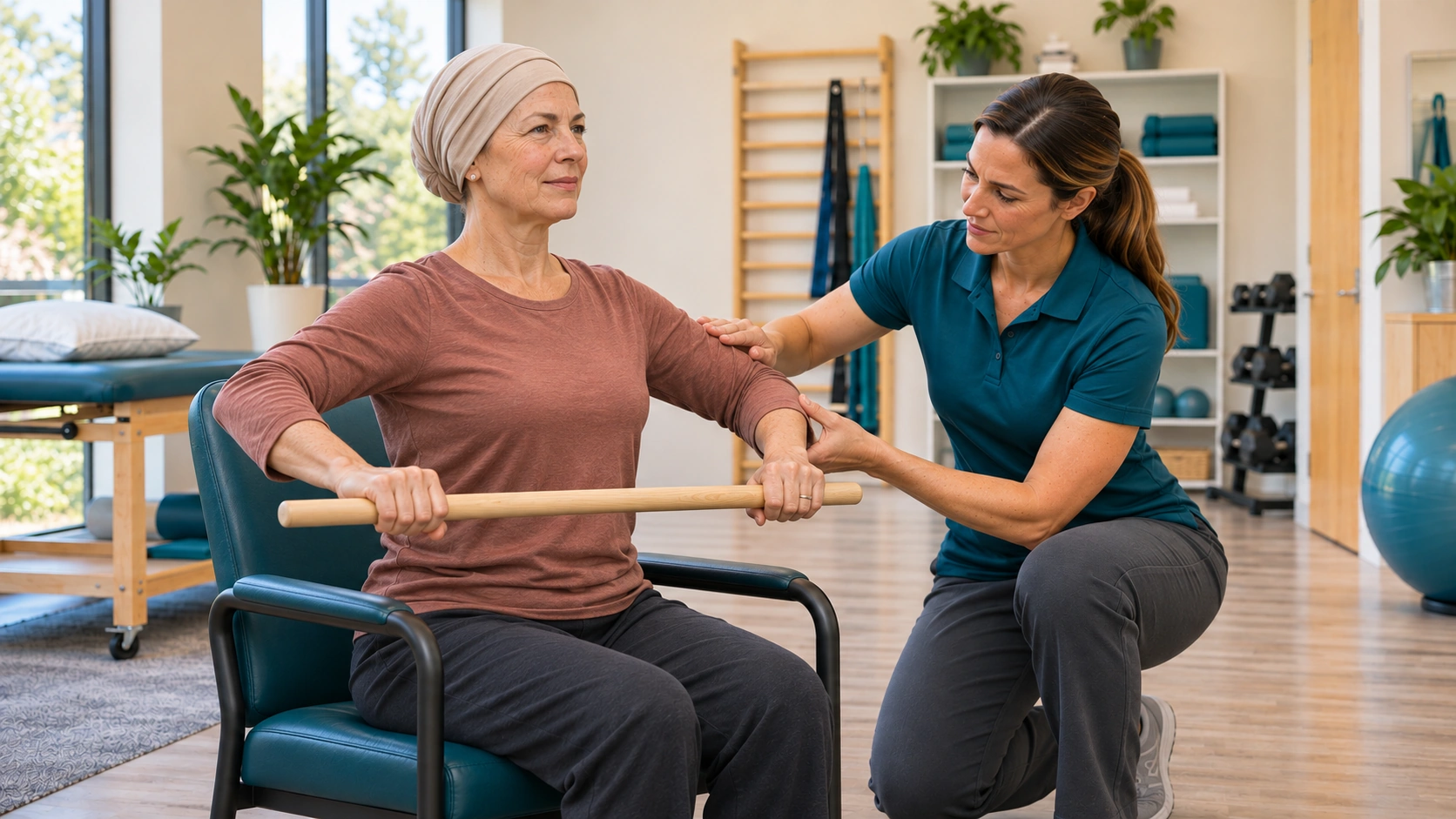
Getting dressed, washing your hair, or reaching a shelf can be affected by changes in movement after a procedure. Your surgical instructions, healing, and symptoms guide the timing and type of rehabilitation.
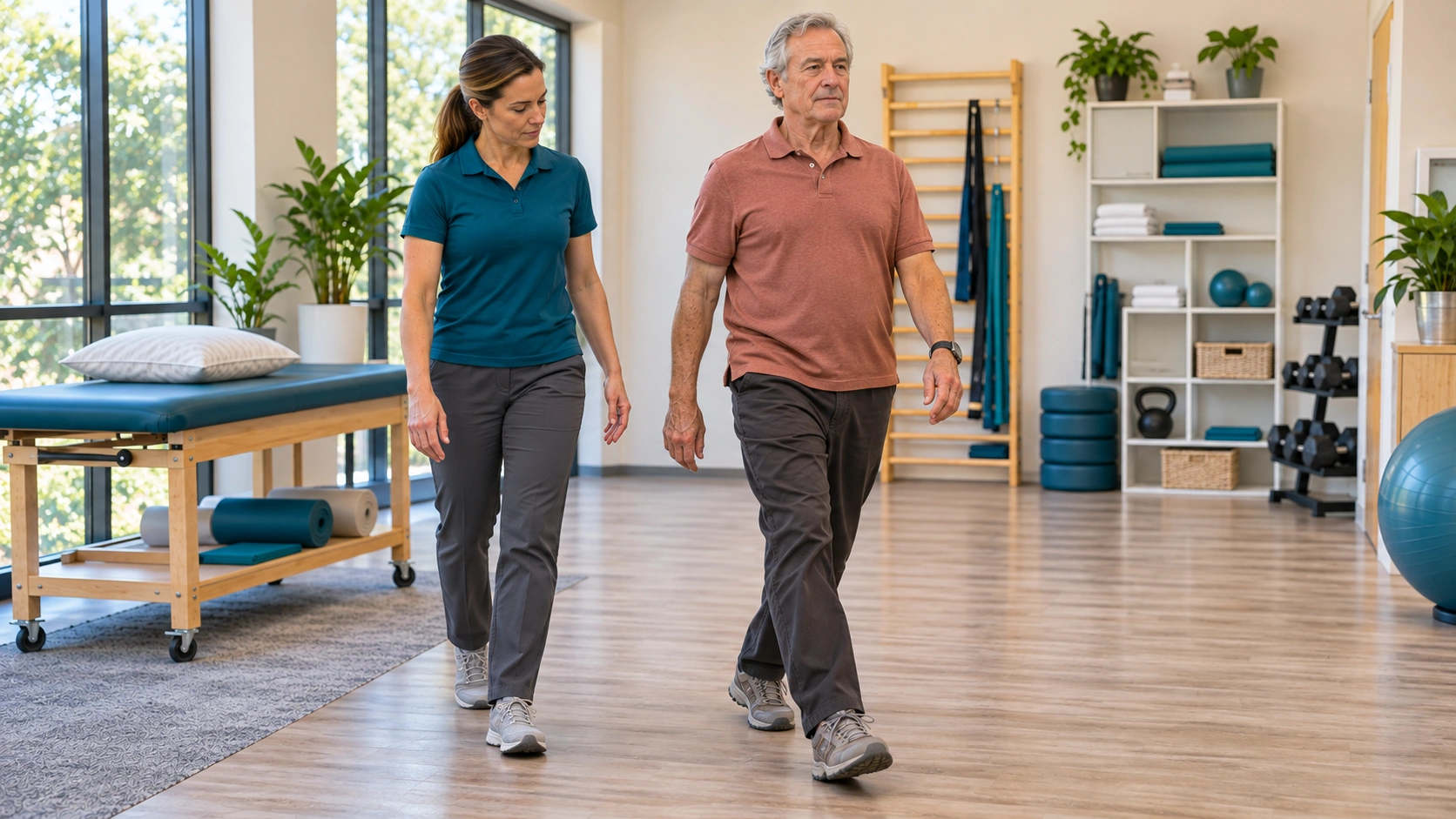
You may feel more cautious when turning, walking through your home, or navigating uneven ground. Dr. Arva Gadly assesses relevant movement and balance and discusses suitable practice and support for your daily routes.
Bending toward your shoes, moving in bed, or reaching into a cupboard may feel more restricted. Care connects your movement concerns with practical goals while respecting treatment-related precautions.
Gardening, returning to work, walking with family, or resuming gentle exercise may be important goals. Your plan breaks meaningful activities into manageable steps based on your health, energy, and medical-team recommendations.
Why oncology rehabilitation can help
Care that meets you where you are.
Your current health. Your priorities. A plan that adapts with you.
Build strength for daily life
Appropriately adapted exercises and task practice can support activities such as rising from a chair, walking, and carrying everyday items. The starting level reflects your health and current ability.
Make activity more manageable
Pacing, rest, and appropriately graded activity help shape a routine around your energy and symptoms. Dr. Arva Gadly reviews your response and adjusts the plan as your needs change.
Support meaningful independence
Rehabilitation connects movement, balance, and mobility goals with the daily tasks you want to do. Medical precautions and guidance from your cancer-care team remain part of planning.
Services that may complement your plan.
Additional services are recommended only when appropriate for your needs.
A few questions before you start.
It may be possible during treatment, but the right timing and activities depend on your cancer, treatment, current health, symptoms, and medical precautions. Bring the latest guidance from your oncology team. Dr. Arva Gadly reviews your needs and discusses whether clearance, an adjusted plan, or additional specialist support is appropriate. Rehabilitation supports your medical care and is adapted as your condition changes.
You do not need to arrive ready for a full workout. Start by explaining what fatigue feels like, how it affects your routine, and whether it has changed. Activity may be adjusted in duration, intensity, and frequency, with rest and pacing built in. New or worsening fatigue should also be discussed with your medical team so the plan reflects your current health.
Bring a medication list, a summary of your treatment or surgery, and any restrictions or relevant instructions from your medical team. Share concerns such as fatigue, pain, numbness, swelling, or balance changes and identify the activities you want help with. Dr. Arva Gadly discusses the findings, appropriate rehabilitation goals, and whether additional specialist support may be needed.